• Skip to primary navigation
  • Skip to main content
  • Skip to footer
  • Home
  • What’s On
  • News
  • About
    • About Noh Reimagined
    • Meet the Noh Performers
  • What is Noh?
    • Introduction to Noh
    • Universal Messages of Noh
    • Noh, an art of contrasts
  • Festivals
    • All Festivals
    • Noh Reimagined 2025 London
    • Noh Reimagined 2025 Barcelona
    • Noh Reimagined Festival 2024: Classics of Noh Tragedy
    • Noh Reimagined 2022: Spirits of Flowers
    • Noh Reimagined 2018: Sublime Illusions
    • Noh Reimagined 2016
  • Press
  • Creative Exchange & Learning
    • Noh Reimagined & New Music
    • Workshop: Introduction to Noh Movement
    • Workshop: Noh Movement Creative Session
    • Workshop: Noh Music
  • Video
    • Video – 2025
    • Video – 2024
    • Video – 2023
    • Video – 2022
    • Video – 2018
    • Video – 2016
  • Contact
  • Home
  • What’s On
  • News
  • About
    • About Noh Reimagined
    • Meet the Noh Performers
  • What is Noh?
    • Introduction to Noh
    • Universal Messages of Noh
    • Noh, an art of contrasts
  • Festivals
    • All Festivals
    • Noh Reimagined 2025 London
    • Noh Reimagined 2025 Barcelona
    • Noh Reimagined Festival 2024: Classics of Noh Tragedy
    • Noh Reimagined 2022: Spirits of Flowers
    • Noh Reimagined 2018: Sublime Illusions
    • Noh Reimagined 2016
  • Press
  • Creative Exchange & Learning
    • Noh Reimagined & New Music
    • Workshop: Introduction to Noh Movement
    • Workshop: Noh Movement Creative Session
    • Workshop: Noh Music
  • Video
    • Video – 2025
    • Video – 2024
    • Video – 2023
    • Video – 2022
    • Video – 2018
    • Video – 2016
  • Contact

Noh Reimagined

Teatro Noh: Izutsu, Shakkyo y Otras Piezas (Madrid)

2nd September 2018

Noh Reimagined 2018, Madrid

Performances by leading Noh performers took place at Teatro Salón Cervantes Escenarios Clásicos en Alcalá, Madrid, Spain on Wednesday 4th July 2018.

  • 4 July – Teatro Noh: Izutsu, Shakkyo y Otras Piezas Programme (Spanish)
  • Noh Reimagined Madrid listing information (Spanish)

The Transformative Power of Noh

16th July 2018

Photo: Mayumi Hirata

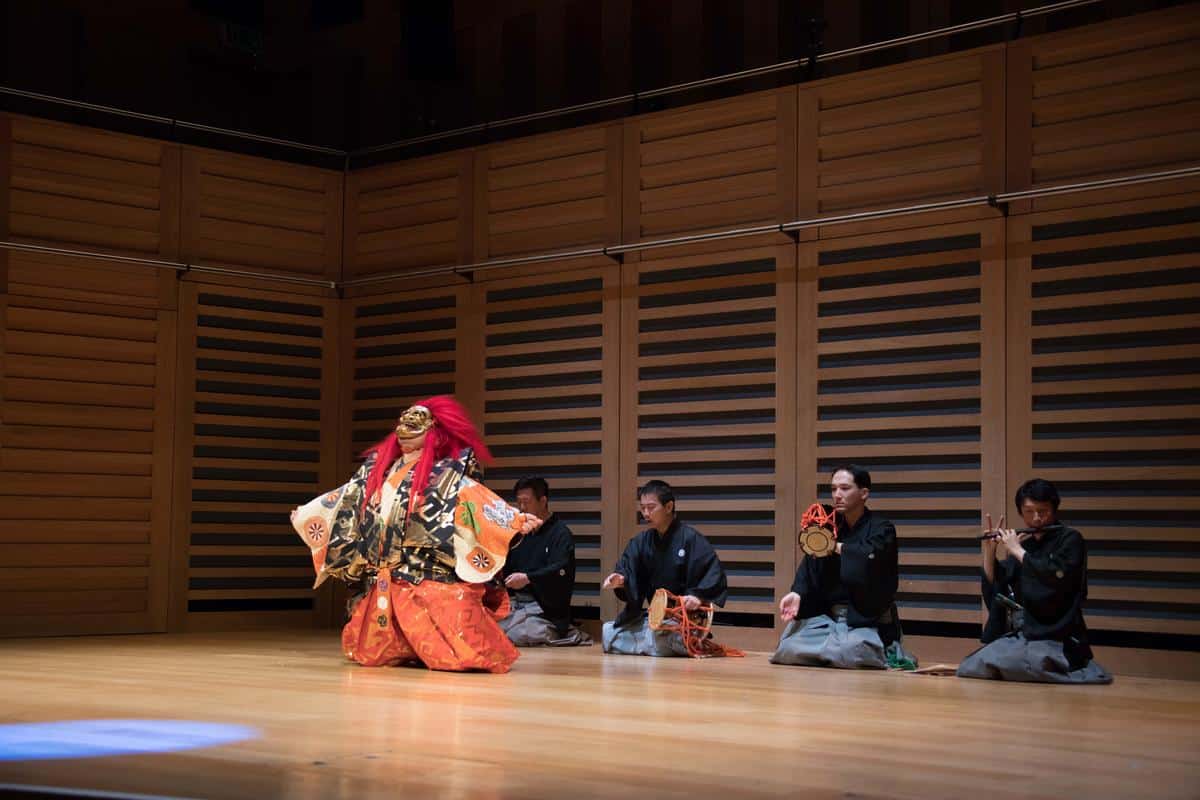
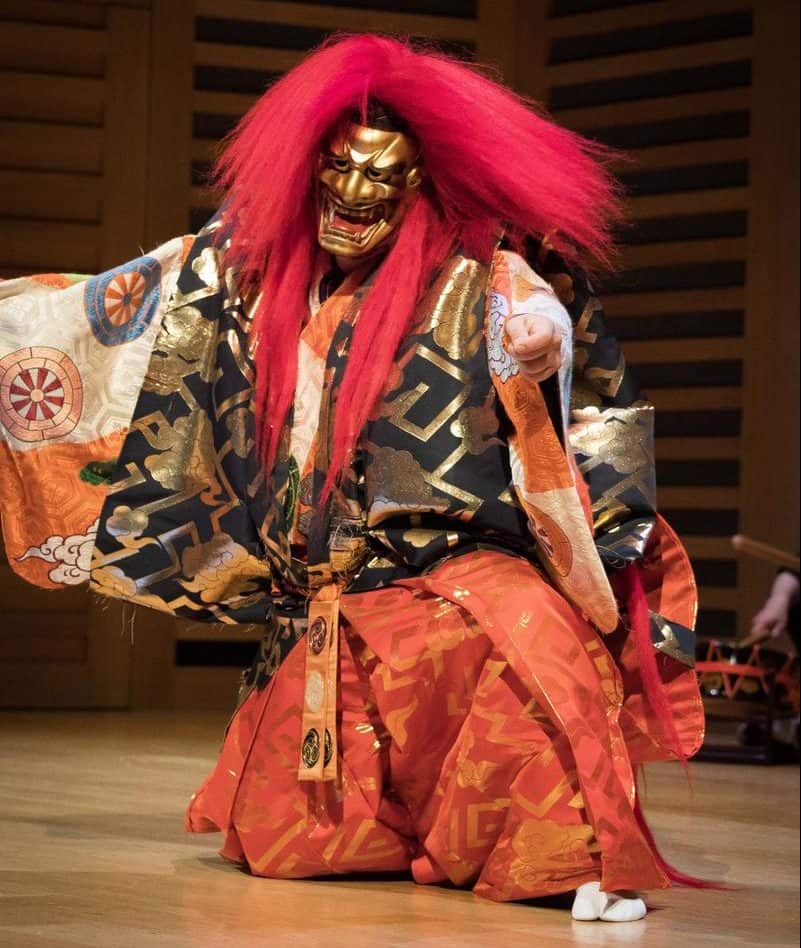
The finale of the festival, The Transformative Power of Noh, celebrated the ability of ‎Noh to create other-worldly figures that transcend time and space.

The programme included Shishi (Lion Dance) from the popular classical Noh play Shakkyo (‎Stone Bridge), in which a lion, messenger of Manjusri Bodhisattva, appears at a stone bridge and dances with gorgeous, fragrant peony flowers.
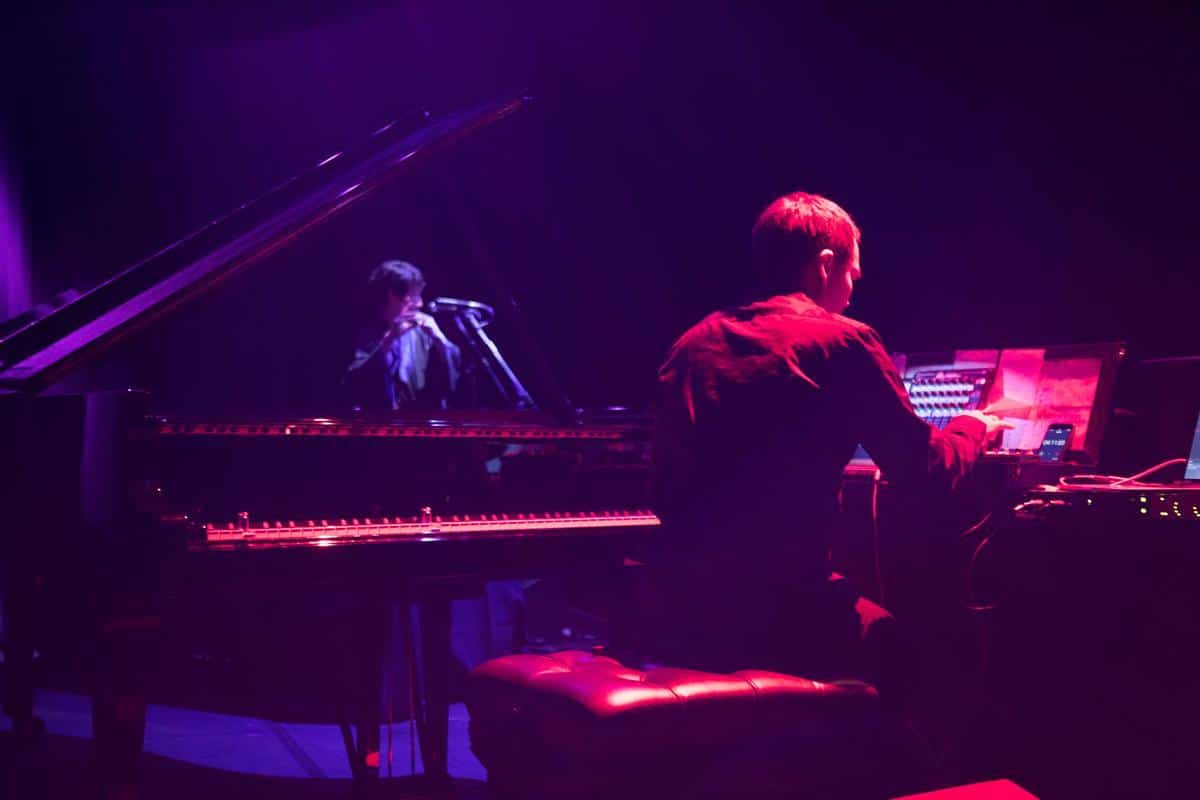
Photo: Mayumi Hirata

In addition, Yukihiro Isso’s highly-acclaimed Shishi 16, a Lion Dance in modern style, and his brand-new composition with a story by Atsushi Iriki were presented by all Noh performers.

Echoes and Callings
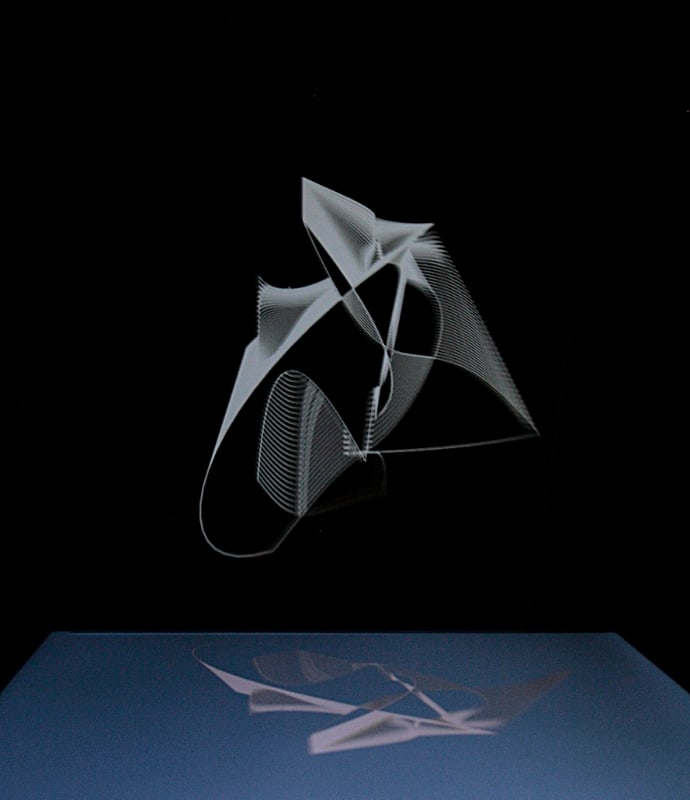
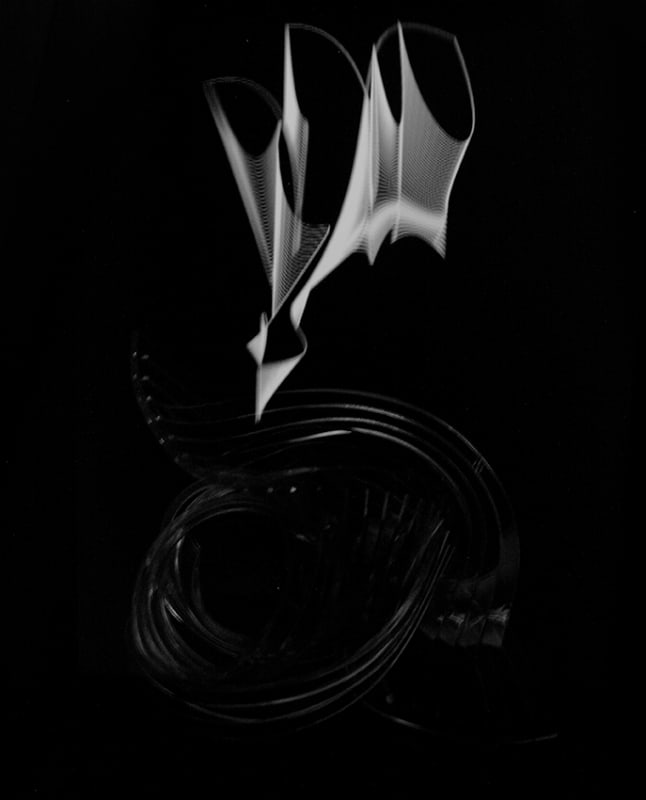
Echoes and Callings by Wiebke Leister (art), David Toop (music), Yukihiro ‎Isso (Nohkan flute) re-imagined Noh by combining photographs of life-casts and death-masks with improvised sound to evoke the out-of-body existence of angry female demons.

Watch the full performance

Reflection

Watch the full performance

Shishi (music from the ‘Lion Dance’ in the play Shakkyo ) ~ Shishi 16

Watch the full performance
Photo: Mayumi Hirata

In the second half, the award-winning London-based performing arts group Clod Ensemble‎ premiered their new piece “Snow“, a poetic monologue inspired by the restless spirits in Japanese Noh Theatre and featuring the voice of legendary New York performer ‎Peggy Shaw. In this piece, the words and music unlock the world of a traveller who finds herself thrown into darkness under the snow.

More information about Snow can be found on the Clod Ensemble’s website.

Generously supported by Yakult UK, Arts Council England, JSPS, Great Britain Sasakawa Foundation and others. 

Clod Ensemble: The Creative Journey – Pre-Show Talk

16th July 2018

Photo: Shitong Zhang

Prior to the premier of Snow, a piece inspired by the restless female spirits and demonic figures of Noh theatre, and following their recent trip to Japan, featuring original music informed by this 650-year-old tradition, co-directors Suzy Wilson and Paul Clark discussed their creative process, including their workshops in Japan with Yukihiro Isso on nohkan flute.

Clod Ensemble, a London based multi-award winning performance company, works at the intersection of different forms and disciplines – at the point where they meet, transform and challenge each other to become something new. They work with dancers, actors, musicians, medics, architects and orchestras. Their work is presented in London, across the UK and internationally in theatres, dance houses, galleries and public spaces including Sadler’s Wells, Tate Modern, The Lowry, Wales Millennium Centre, among many others.

Talk and Presentation – Noh + Neuroscience: Glimpsing the Invisible

16th July 2018

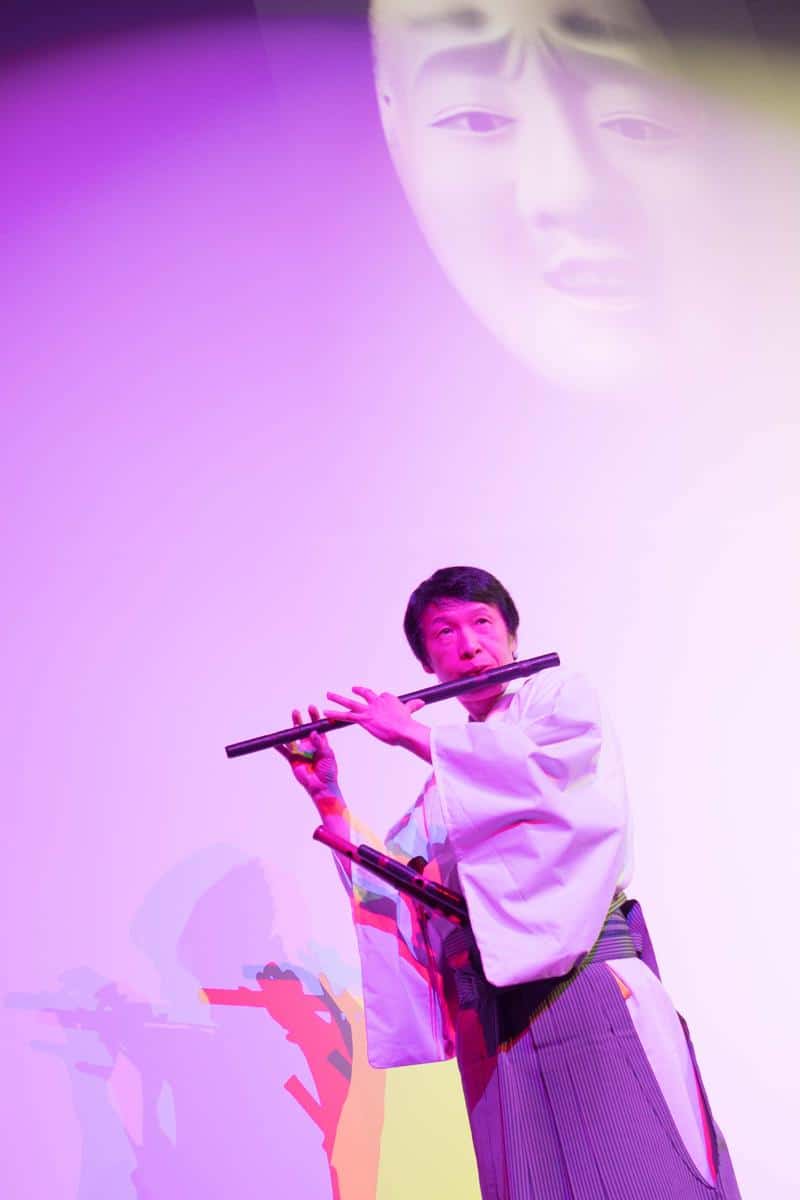
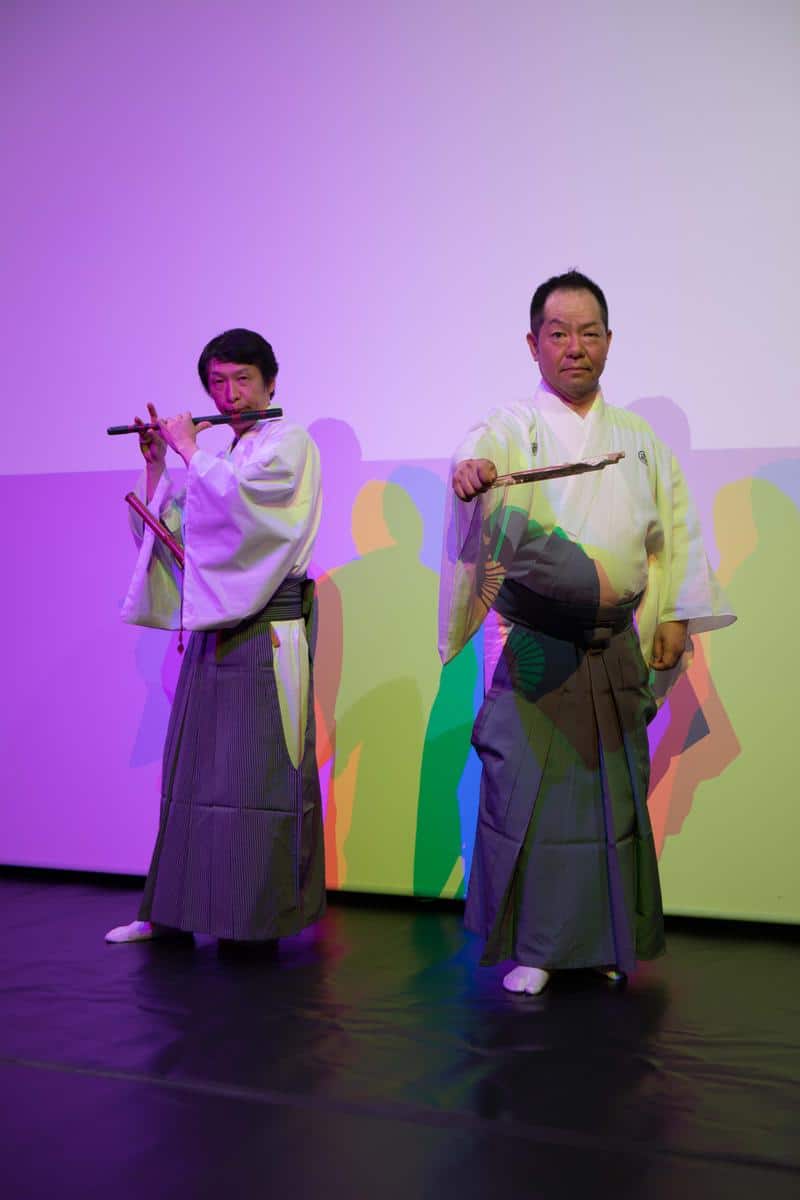
Two leading neuroscientists, Professor Semir Zeki and Professor Atsushi Iriki, examined curious connections between the 650-year-old tradition of Noh and the mechanisms of our brain.

‘Since so much in Noh performance is left to the imagination, which is a mental activity produced by the brain, I have decided to supplement what is on stage with lighting that will produce a visible, sensory counterpart – coloured shadows – which is also produced by the brain.’ Professor Semir Zeki, a pioneer of neuroesthetics spoke about the objectivity of subjective state and illustrated this using the coloured shadow illusions in collaboration with Noh performers.

“You are making reality up in a way. I mean, the only reality you can experience is what the brain allows you to experience.”

Professor Semir Zeki

Watch a full interview with Professor Semir Zeki.

  • Photo: Mayumi Hirata
  • Photo: Mayumi Hirata

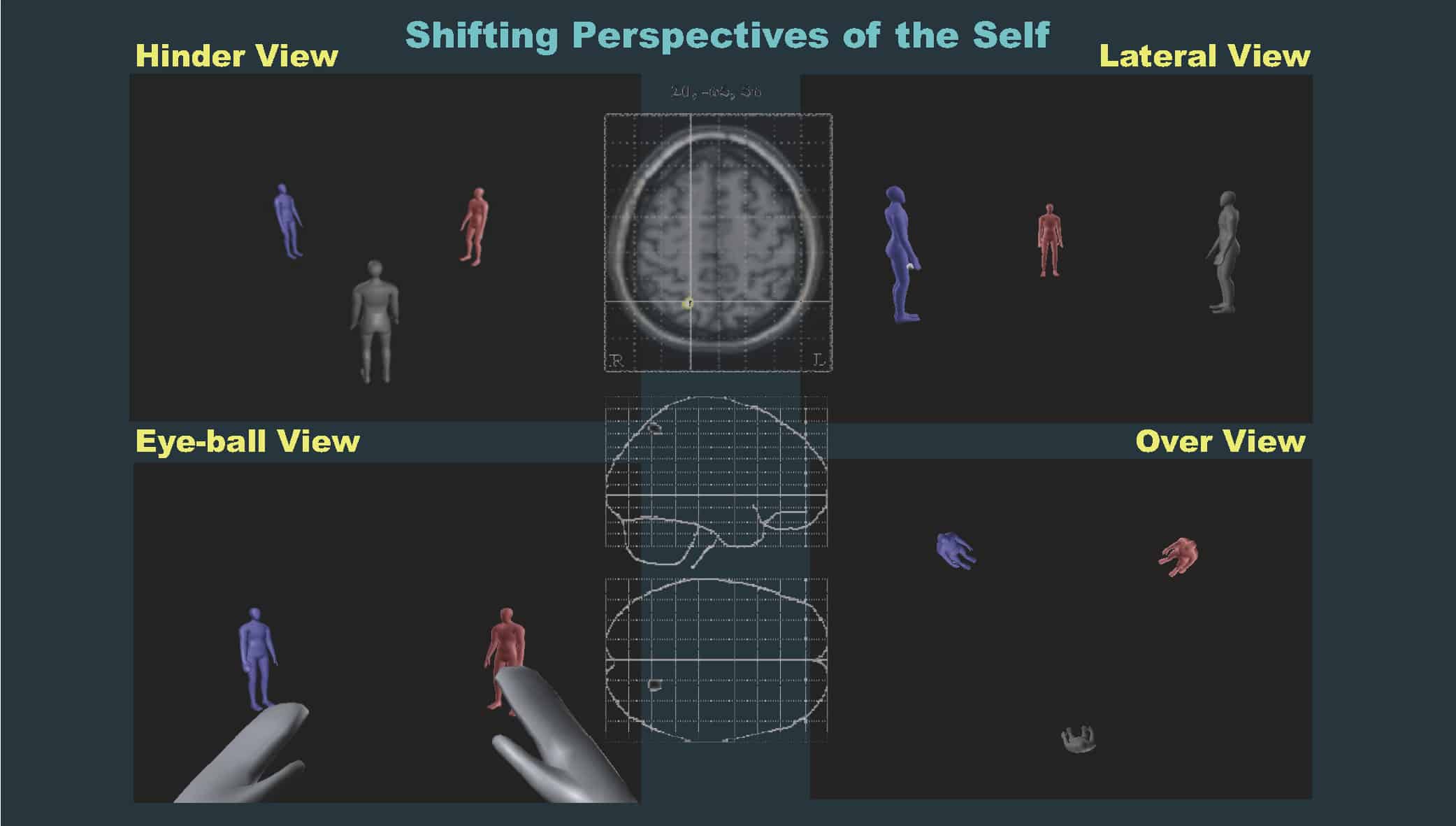
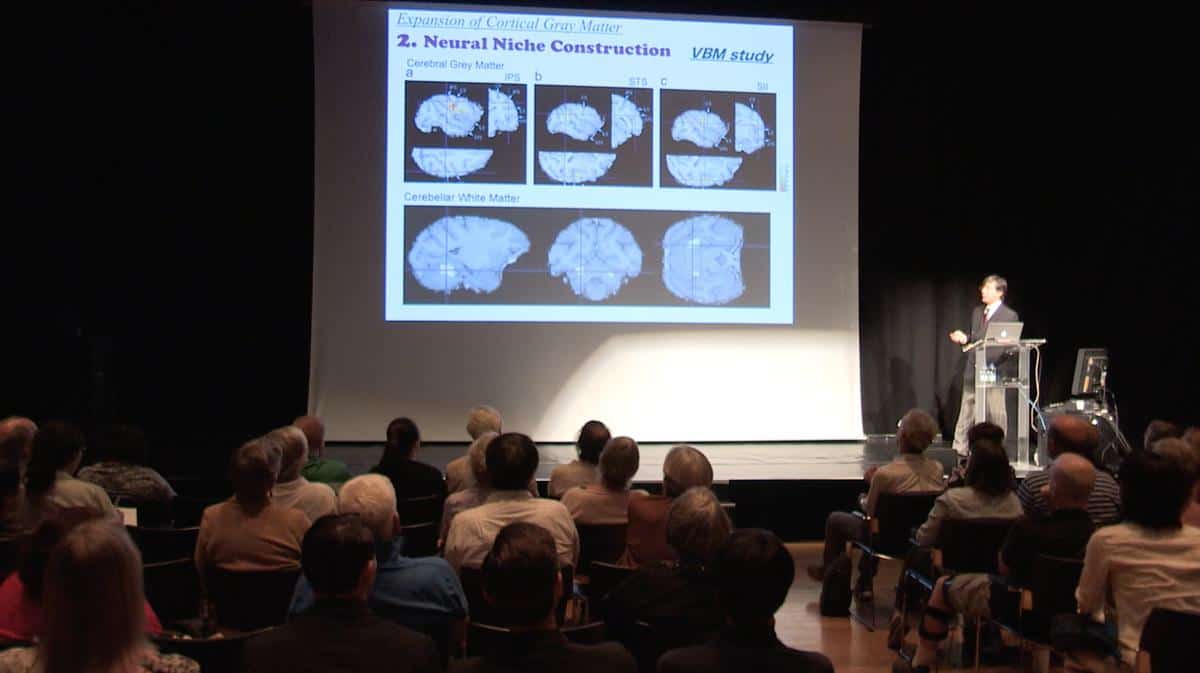
Professor Atsushi Iriki examined evidence-based speculations in light of his recent research on how we acquired the concept of the ‘meta-self’ (a third-person sense of our own existence) in relation to Riken-no-ken (a form of self-analysis used by Noh performers) and how we visualise illusions as realistic entities in Noh performances.

Photo: Shitong zhang

Listen to a talk given by Professor Atsushi Iriki on cognition and social neuroscience at the Brain Science Institute in Japan.

Noh Mask, Noh Movement: Illusory Devices – Seminar

16th July 2018

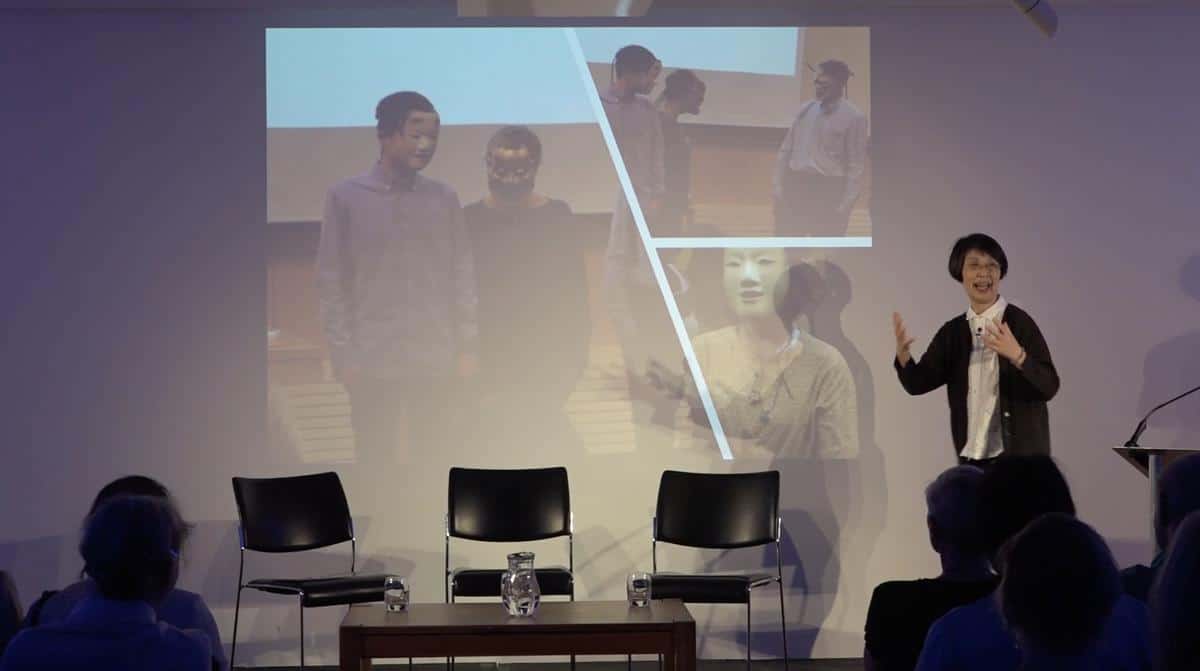
Two professors from the Noh Theatre Research Institute, Hosei University unveiled the secrets of Noh movement through narrative and scientific analyses, as well as discussing how Noh masks represent the spirits of invisible ghost, deities and demons.

Noh Movement: by Professor Reiko Yamanaka

Photo: Shitong Zhang

‘On top of Kamae and Hakobi, the full beauty of Noh masks and costumes, ultra-minimalmovements and expressions are made manifest.‎..’

Kamae (posture) and Hakobi (steps) are the most basic and fundamental form of Noh movement. They are significantly different from ordinary movement or postures in our daily life. In order to master these forms, Noh Performers are trained to maintain tremendous tensions within their bodies and mind.

Perfectly delivered Kamae and Hakobi are the foundation on which Noh performance is based. On top of this critical foundation the full beauty of Noh masks and costumes, ultra-minimal movements and expressions are made manifest.‎

In the talk, Professor Yamanaka unwrapped the secret of Kamae and Hakobi with illustrative examples and scientific analyses, and examined the role/ influence on the Noh performances.

This seminar offers insight to understand and enjoy Noh performance.

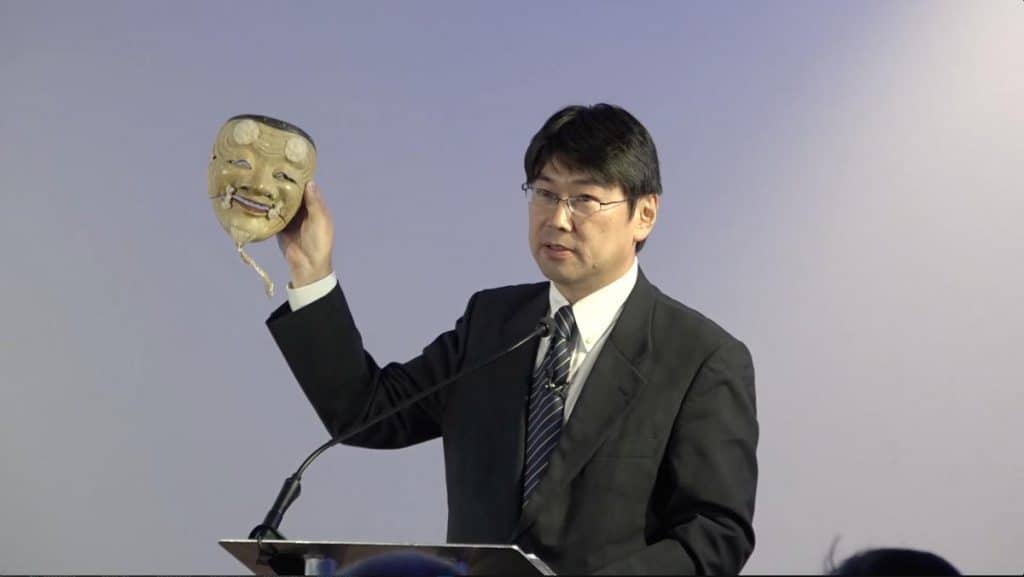
Noh Masks: by Professor Keizo Miyamoto

‘Noh turns the invisible into the visible by using masks.’

‘Noh derives from Kagura’ said Zeami, the great early 15th century Noh master and writer. Kagura (literally ‘God’s-entertainment’) is a Shinto ritual ceremony delivered with dance and music; it is believed to be the origin of Japanese theatrical form. Kagura embodies a shamanistic view that gods descend on human beings and communicate with them.

Masks are not used in Kagura, as human beings become the manifestation of gods. Noh, however, which originated in medieval Japan (13th – 16th century), uses masks to achieve a new ‘gods’ possessed’ theatrical form. In Japan, gods are believed to be invisible to humans. Noh, however, turns the invisible into the visible by using masks. Noh masks and body movements have an intriguing connection and relationship.

In addition to transforming figures and roles, Noh masks also work as a device for hiding human flesh. In fact, Noh is performed exposing as little flesh as possible; only the hands are exposed to the eyes of the audience. Nevertheless, there are Noh repertoires performed without masks. These are called Hitai-men which may be translated as ‘straight face’. In Hitai-men, Noh actors perform without expressing any facial emotions as if they are wearing masks.

‘What does mask mean to Noh?’

Professor Miyamoto examined the rarely told story about Noh masks and explored the theme of ‘Visible and Invisible’.

Noh Movement Workshop: Acting from Inside

16th July 2018

Photo: Shitong Zhang

Jean-Louis Barrault, a French actor who uses Noh techniques to help him inhabit his characters, described his experience of movement in Noh by saying, ‘It appears to me that, acting more from the inside, making fewer gestures, I gain effectiveness – I enter fully into the role and control it.’

Led by Masaki Umano, the shite actor of the Kanze School, the workshop  provided a chance to learn the Kamae (posture) and Hakobi (steps) including how to focus your centre of gravity and energy, and movement patterns of Noh. Then, participants turned these basic movements into a series of fluid motions that enable subtle emotional expression. The full beauty of Noh masks and costumes, minimalised movements and expressions are made manifest on top of basic movements.

Phenotypica – Installation

16th July 2018

Phenotypica is an initiative created by multi-award winning artist Neus Torres Tamarit and computer scientist Ben Murray. They will exhibit the installations and sculptures of their Biomorpha (Evolving Structures) project and a site-specific installation called Confined Mutations at Kings Place. Working at the intersection between art, science and technology, they seek to create evocative and immersive artworks about genetics and evolution that engender an emotional response.

Website: www.phenotypica.org

To learn more about the installation read Neus Torres Tamarit interview with Clod Magazine.

Noh: Space in Between

16th July 2018

Watch the full performance

Leon Michener is a truly original pianist, known as the architect of the Klavikon system (a combination of amplification, feedback and analogue processing), in which he sculpts the feedback from the amplified piano soundboard.

In this unique encounter, he improvised on acoustic and processed piano, and clavichord, and with flautist Yukihiro Isso and drummer Mitsuhiro Kakihara, applying the space between the piano and the listeners as an ascetic counterpoint to the Noh musicians.

Photo: Mayumi Hirata
  • Photo: Mayumi Hirata

As Michener explains:

‘Creating something from nothing, using only the empty space between piano and speaker, and merely guiding the flow of sound like water, this way and that, trying to gently direct the undetectable, seemed to offer a perfect response to classical Noh theatre, with its concepts of ‘Ma’, the ‘empty space’ filled with potential’.

The Sublime Illusions of Mugen Noh

16th July 2018

Watch the full performance

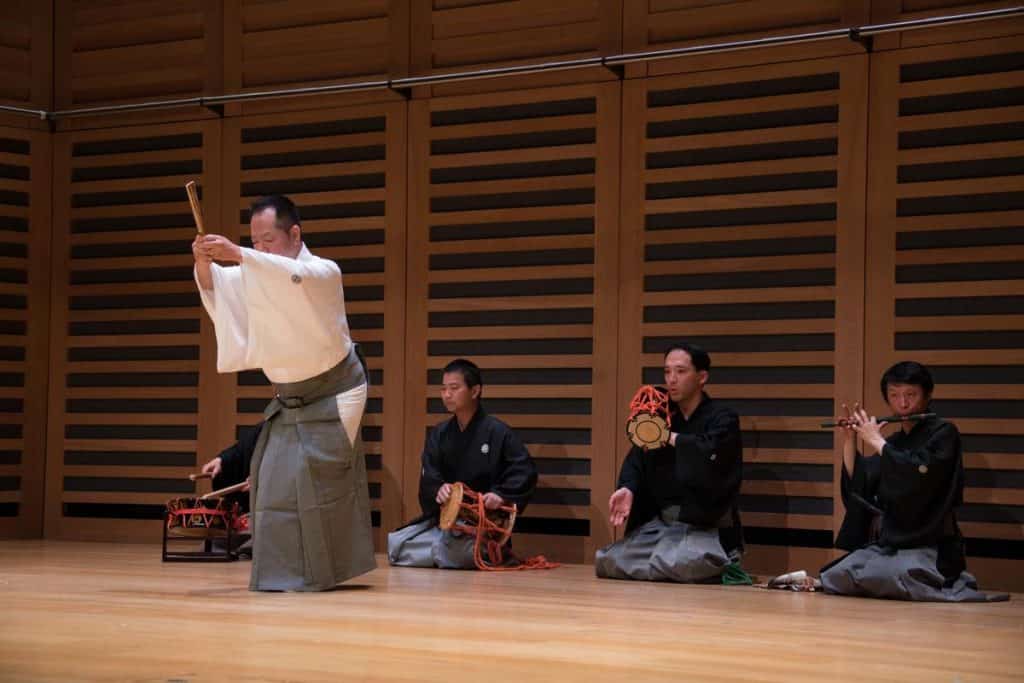
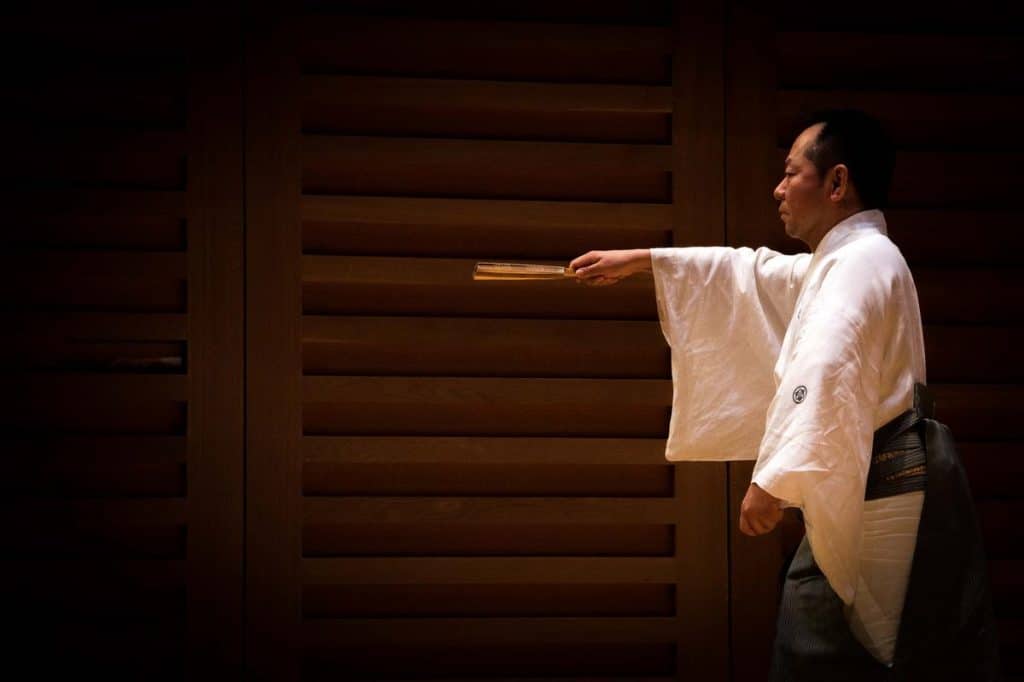
Two shite actors and four Noh musicians presented some of the finest instrumental and dance sections from the classical Noh repertoires, as well as highlights from the masterpiece of Mugen Noh, Izutsu (井筒, ‘The Well Cradle’) by Zeami which is s drawn from the tenth-century ‘Tale of Ise’ (Ise monogatari), Lady Izutsu who was waiting for her adulterous husband to return home, appears as a ghost on the stage, wearing her husband’s garment, and looks into the old well, searching for his reflection in the water.

Photo: Shitong Zhang
  • Photo: Shitong Zhang
  • Photo: Shitong Zhang
  • Photo: Shitong Zhang

The Noh performers included Yukihiro Isso (nohkan flute), Masaki Umano (shite, main actor), Jiichi Asami (shite, main actor), Kyosuke Tanabe (kotsuzumi, shoulder drum), Mitsuhiro Kakihara (otsuzumi, hip drum) and Kiyoshi Yoshitani (taiko, stick drum).

Listen to BBC Radio 3’s podcast Introducing the Nohkan Flute.

Noh Reimagined – Opening Talk

16th July 2018

A conversation with the eminent scholar of neuroesthetics Professor Semir Zeki (UCL), and neuroscientist and Noh practitioner Professor Atsushi Iriki (Riken Institute, Japan). At this talk, they discussed the relationship between the mechanisms of the brain that create illusions, the arts, and the 650-year-old tradition of Noh.

Photo: Shitong Zhang

In addition, Professor Reiko Yamanaka of the Noh Theatre Research Institute of Hosei University talked about ‘Mugen Noh’, conceived by the fourteenth-century Noh playwright and actor Zeami. In these plays, after an interlude, a restless spirit emerges in a dream of a travelling monk, telling the story of its unfulfilled life, transporting audiences to a world of illusion.

Footer

Noh Reimagined is a series of projects and festivals reviving traditional Japanese Noh Theatre for today! Discover 650 years of Noh's rich history through classical masterpieces and innovative contemporary works from diverse creators.

Twitter/X @muartsLIVE
Facebook mu:arts Live

mu:arts logo
mu:arts logo

Website by Corner Mindscape - Copyright © 2016–2026 mu:arts