• Skip to primary navigation
  • Skip to main content
  • Skip to footer
  • Home
  • What’s On
  • News
  • About
    • About Noh Reimagined
    • Meet the Noh Performers
  • What is Noh?
    • Introduction to Noh
    • Universal Messages of Noh
    • Noh, an art of contrasts
  • Festivals
    • All Festivals
    • Noh Reimagined 2025 London
    • Noh Reimagined 2025 Barcelona
    • Noh Reimagined Festival 2024: Classics of Noh Tragedy
    • Noh Reimagined 2022: Spirits of Flowers
    • Noh Reimagined 2018: Sublime Illusions
    • Noh Reimagined 2016
  • Press
  • Creative Exchange & Learning
    • Noh Reimagined & New Music
    • Workshop: Introduction to Noh Movement
    • Workshop: Noh Movement Creative Session
    • Workshop: Noh Music
  • Video
    • Video – 2025
    • Video – 2024
    • Video – 2023
    • Video – 2022
    • Video – 2018
    • Video – 2016
  • Contact
  • Home
  • What’s On
  • News
  • About
    • About Noh Reimagined
    • Meet the Noh Performers
  • What is Noh?
    • Introduction to Noh
    • Universal Messages of Noh
    • Noh, an art of contrasts
  • Festivals
    • All Festivals
    • Noh Reimagined 2025 London
    • Noh Reimagined 2025 Barcelona
    • Noh Reimagined Festival 2024: Classics of Noh Tragedy
    • Noh Reimagined 2022: Spirits of Flowers
    • Noh Reimagined 2018: Sublime Illusions
    • Noh Reimagined 2016
  • Press
  • Creative Exchange & Learning
    • Noh Reimagined & New Music
    • Workshop: Introduction to Noh Movement
    • Workshop: Noh Movement Creative Session
    • Workshop: Noh Music
  • Video
    • Video – 2025
    • Video – 2024
    • Video – 2023
    • Video – 2022
    • Video – 2018
    • Video – 2016
  • Contact

Noh Reimagined

Song of Rona Island (World Premiere)

23rd February 2026

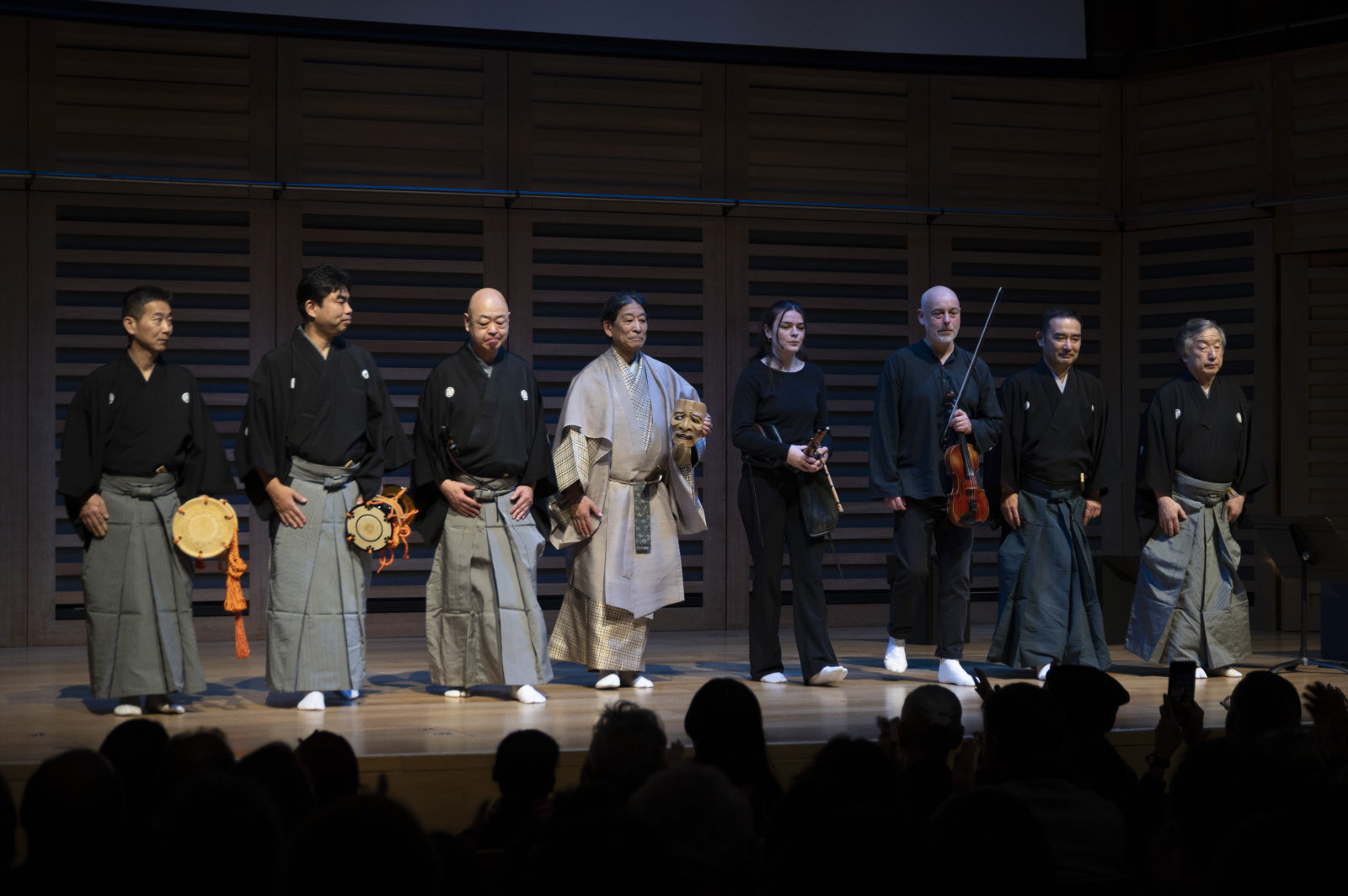
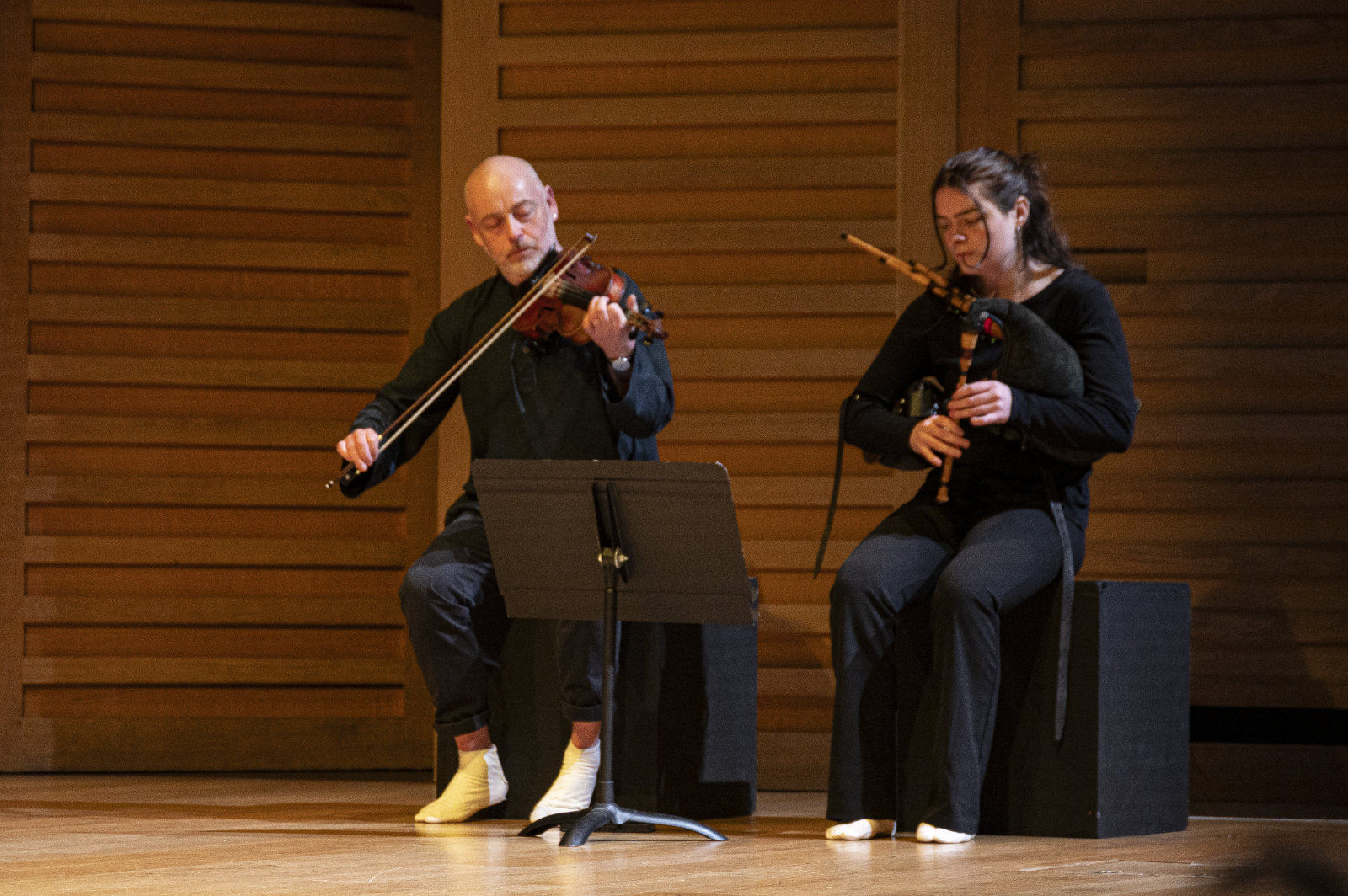
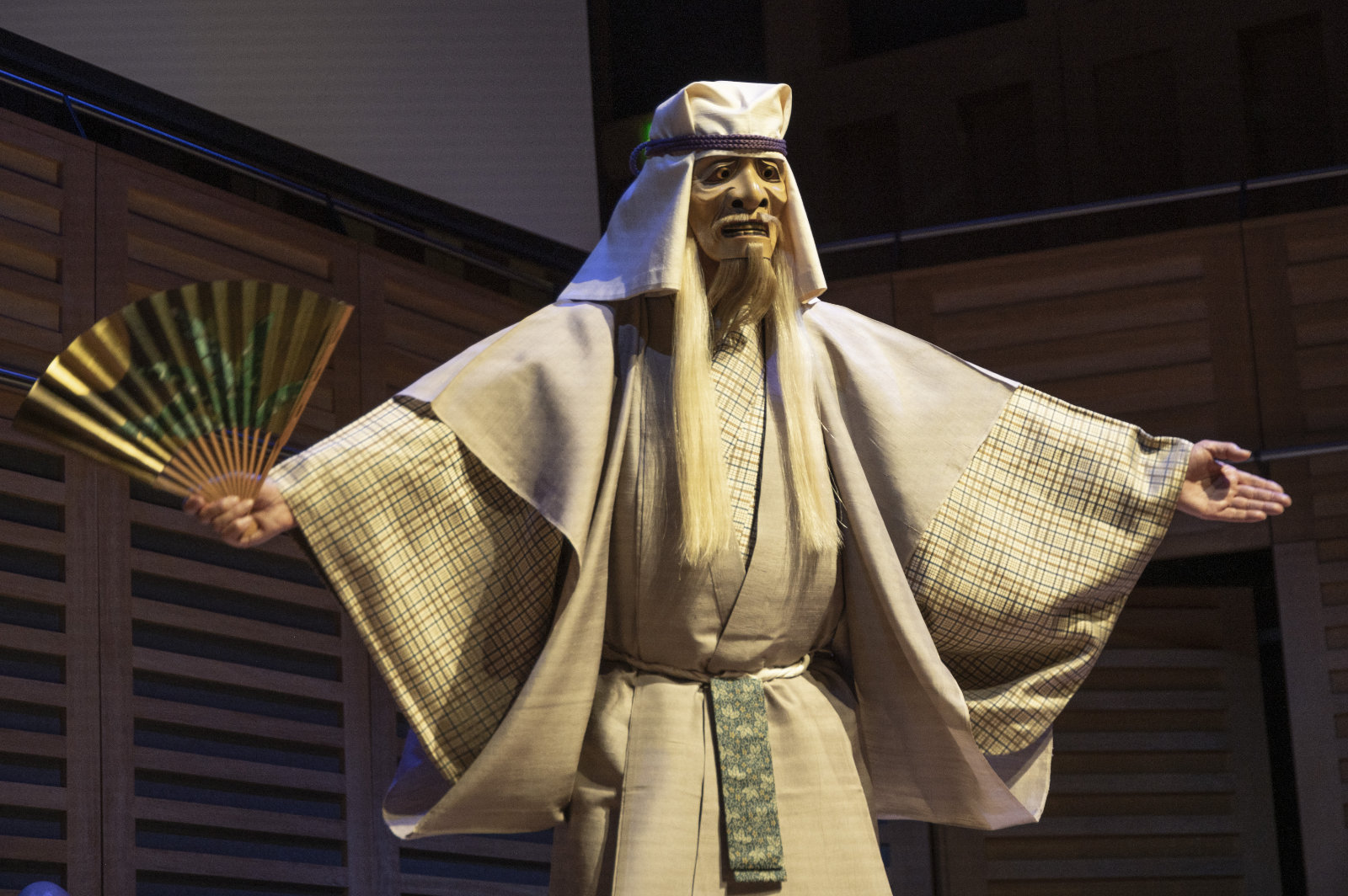
‘Song of Rona Island’, inspired by ‘On Rona’ by Kathleen Jamie, follows a traveller on an ecological survey to an abandoned island in the Outer Hebrides, and their encountering its haunting past. Six noh performers – led by Kanji Shimizu – join forces with fiddler Aidan O’Rourke and Scottish smallpipes player Brighde Chaimbeul in a groundbreaking new work bringing together Scottish music and culture with Japanese noh theatre.
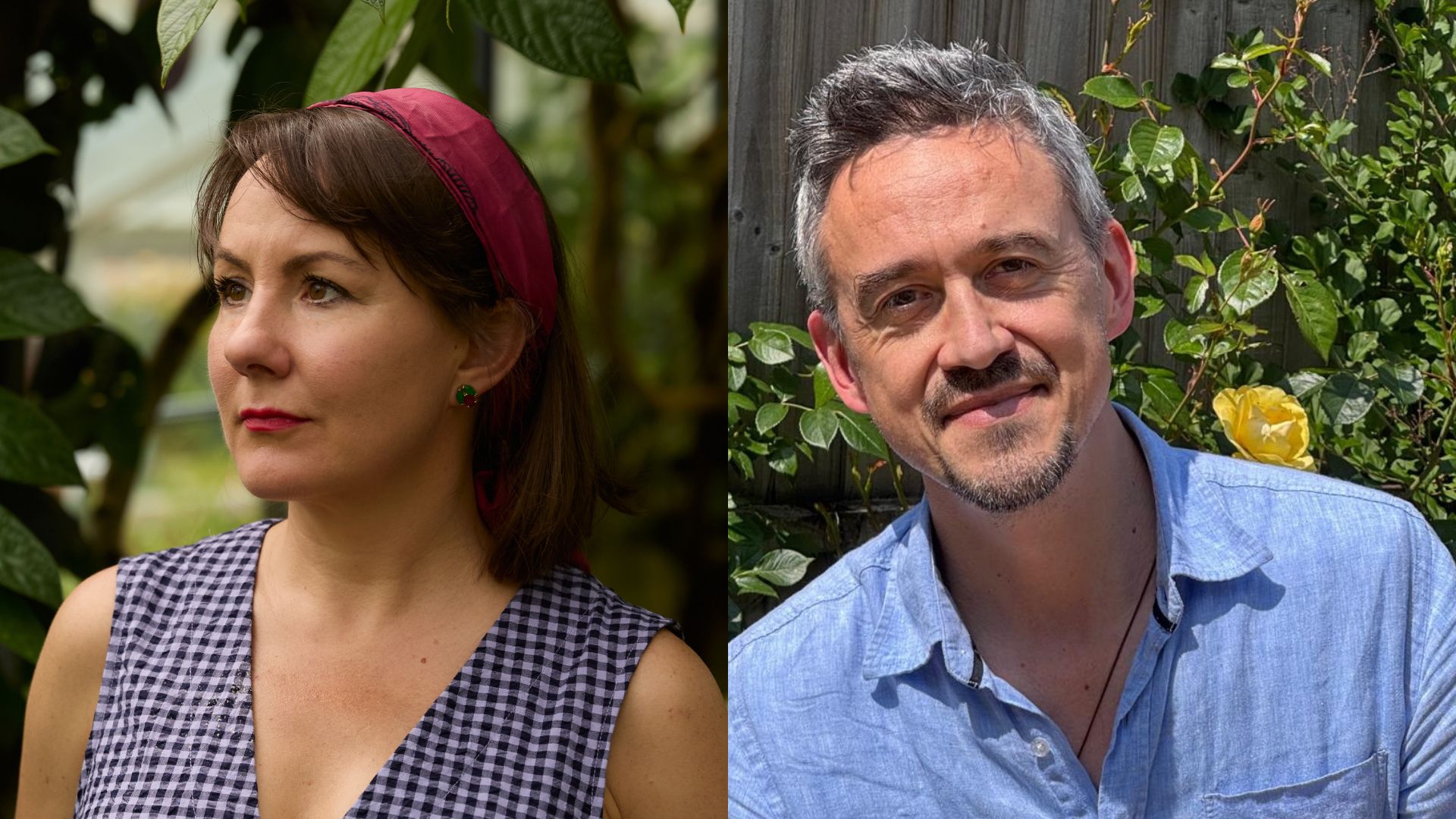
Kathleen Jamie – Author
Aidan O’Rouke – fiddle traveler
Brighde Chaimbeul – Scottish smallpipes
Kanji Shimizu (Kanze School) – Shite (main actor)
Takao Nishimura (Kanze School) – Jiutai (chorus)
Haruhiko Hasegawa (KanzeSchool) – Jiutai (chorus)
Satoshi Tsukitaku (Morita School)  – Nohkan (Noh flute)
Naoya Toriyama (Kanze School) – Kotsuzumi (small hand drum)
Mitsuhiro Kakihara (Takayasu School) – Ōtsuzumi (large hand drum)
Gareth Mattey – Dramaturg
Akiko Yanagisawa – Director/ producer

Download Programme PDF

Rona, a tiny island in the Outer Hebrides, was once home to a chapel founded by St Ronan in the 8th century, alongside a small farming community. The people of Rona were repeatedly devastated by famine and isolation until the island fell silent. Today, it is visited only by naturalists, sailors, and scientists who study its seabirds and seals. Kathleen Jamie’s essay ‘On Rona’ evokes both the island’s haunting past and its ecological present – between empty villages and declining seabird colonies, Rona displays an austere beauty marked by collapse.

Directed by Yanagisawa, in collaboration with artists and creative team, this story is reimagined through the dramaturgy of noh theatre, with St Ronan (played by a Noh shite actor) appearing in the dream of a contemporary Scottish traveller. Through dialogue, chant, and music, he recounts Rona’s histories of hardship and loss, while also invoking the island’s natural cycles, and its enduring spirit. As the traveller awakens, the memories of Rona Island linger, tinged with a longing to return. Originally conceived by Akiko Yanagisawa and Aidan O’Rourke for the Cultural Olympiad 2020 and further developed following a work-in-progress performance in Tokyo in 2024, the work received its world premiere at the Noh Reimagined 2025 festival in London.

Pre-Performance Talk: ‘Song of Rona Island’

21st February 2026

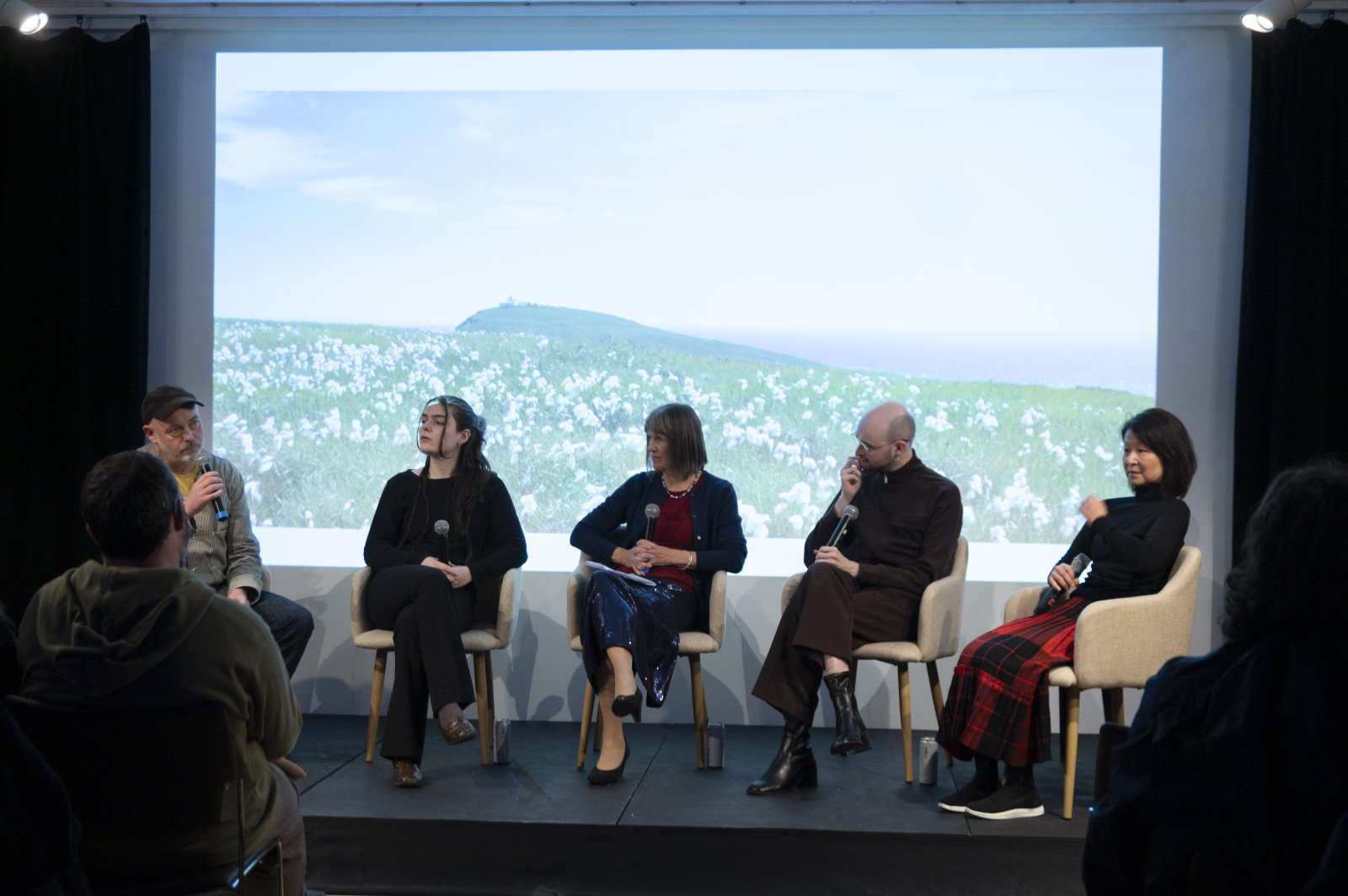
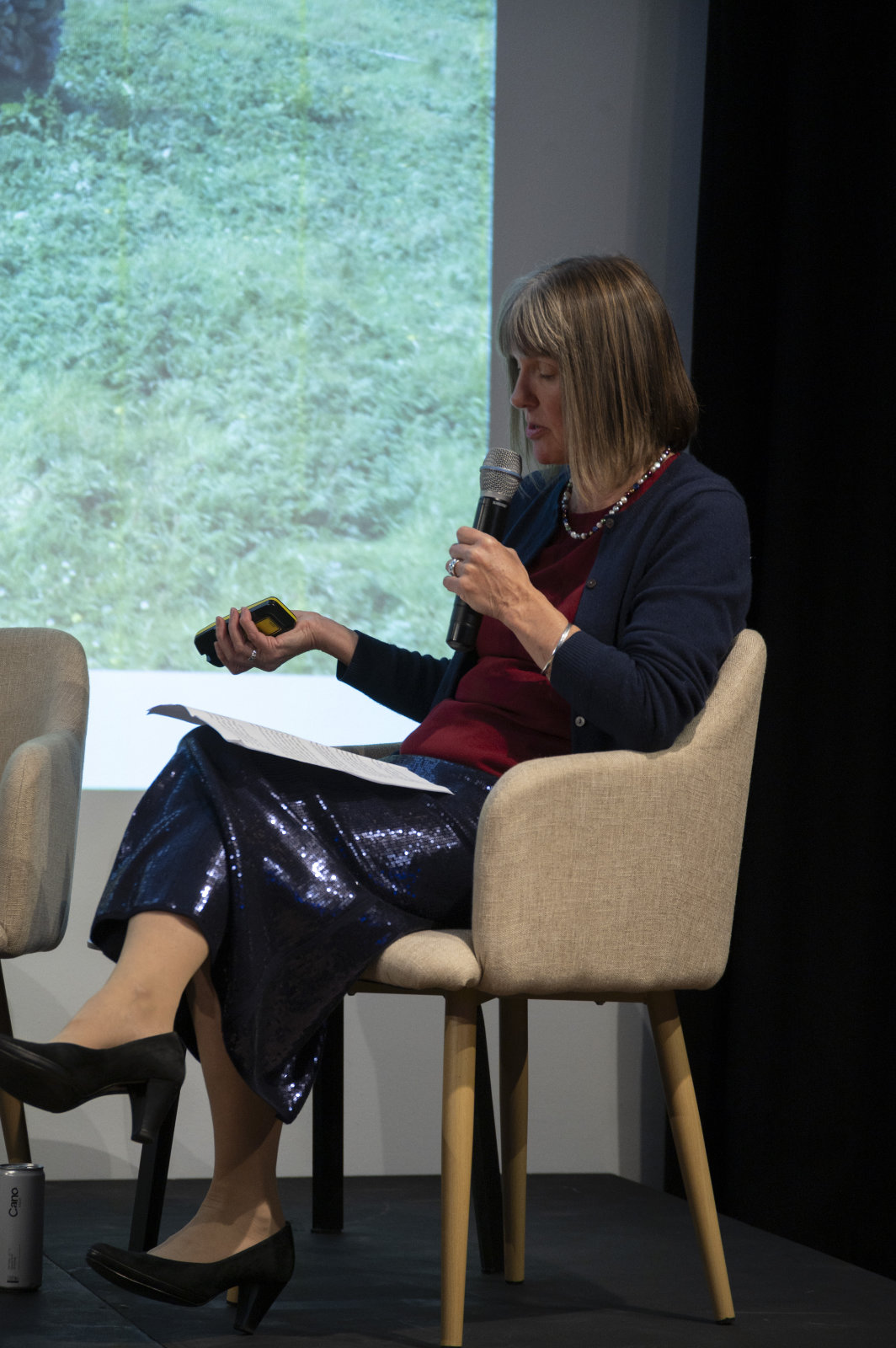
This event was an opportunity to hear from Kathleen Jaimie (poet and former Scottish Makar) about her essay ‘On Rona’, and how this essay inspired the creation of the Scottish-Noh theatre production ‘Song of Rona Island’ from Akiko Yanagisawa (Director/Producer), Aidan O’Rourke (fiddler) and Brighde Chaimbeul.

Song of Rona Island is a pioneering work that brings Japanese Noh theatre and Scottish literature, music and nature into dialogue. It is inspired by ‘On Rona’, an essay by highly acclaimed poet and former Scottish Makar Kathleen Jamie collected in her book Sightlines.

 Photo Credit: Sumire Tamura

It reflects on her experiences accompanying a wildlife and archaeological survey on the abandoned remote island of North Rona in the Outer Hebrides. The production brings together six celebrated noh performers from Japan, acclaimed fiddler Aidan O’Rourke and Scottish smallpipes player Brighde Chaimbeul.

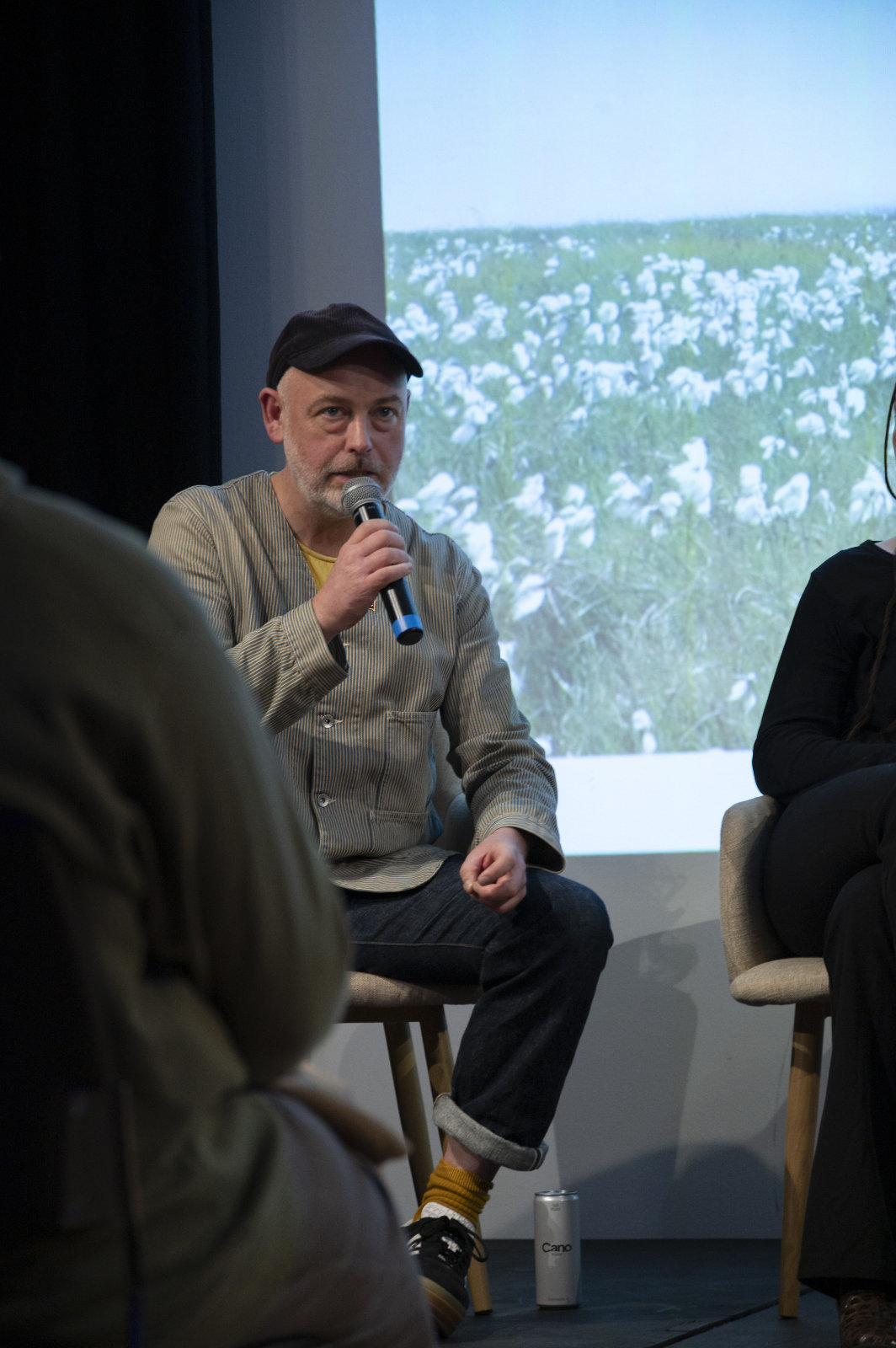
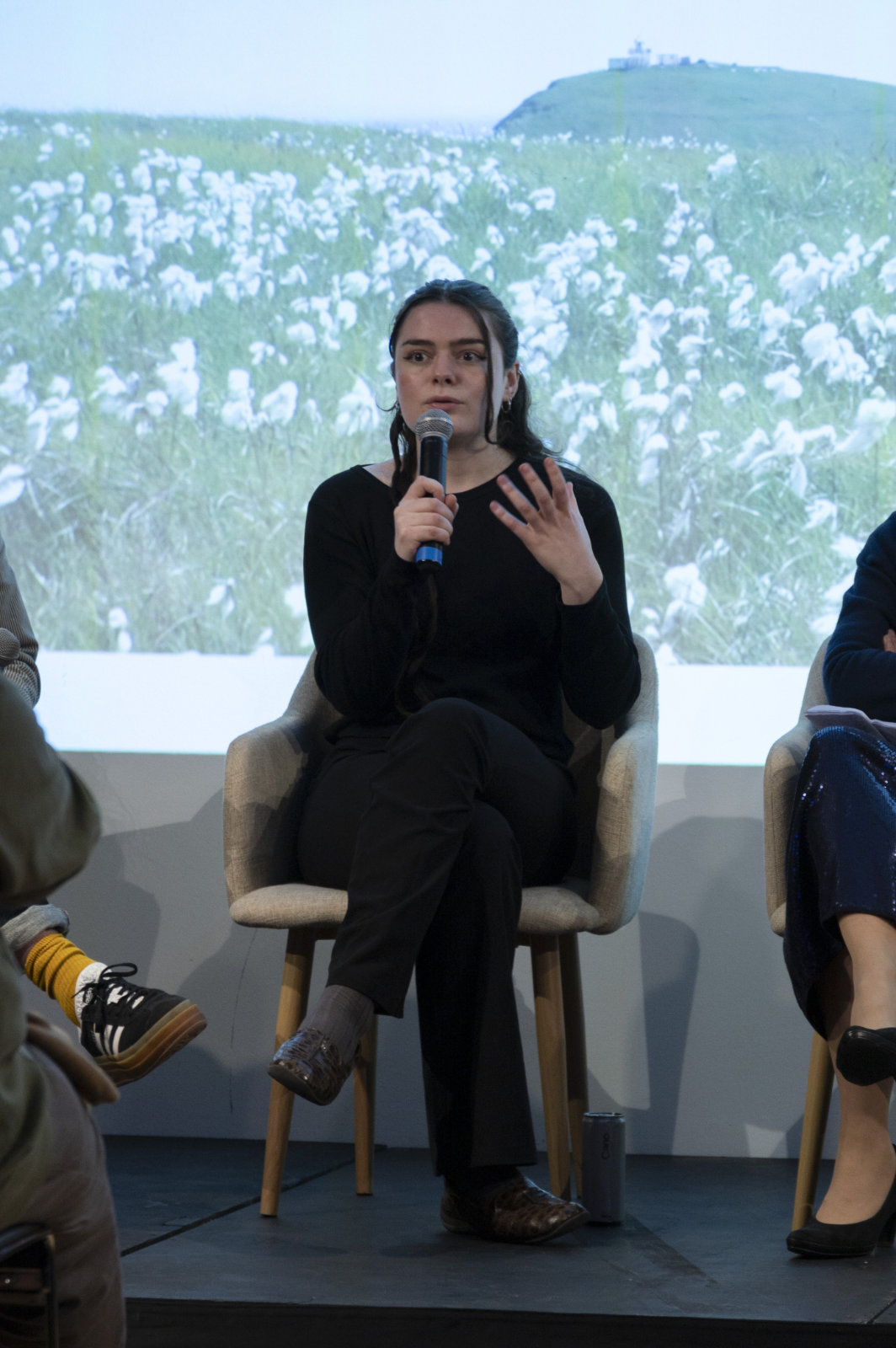
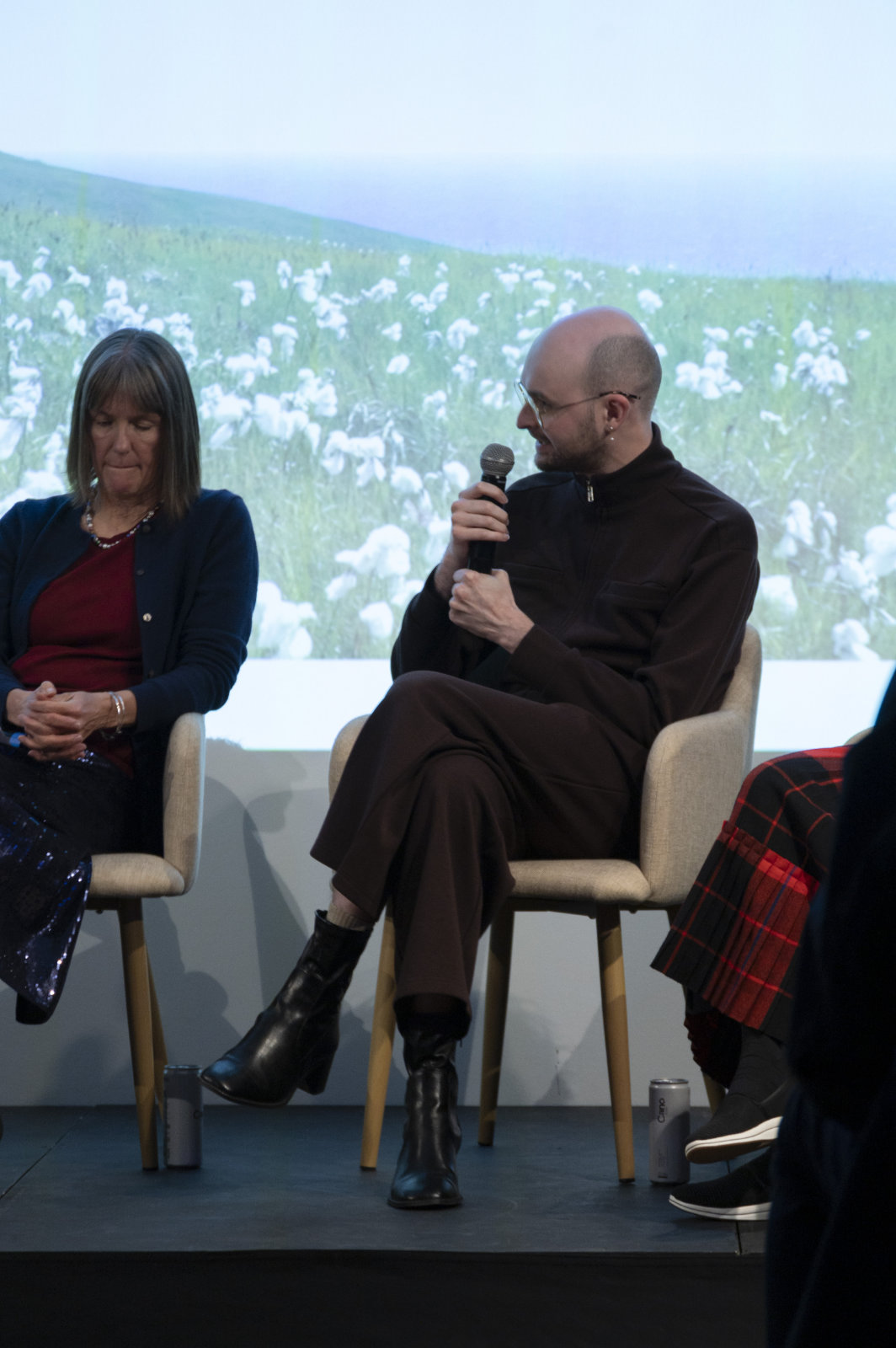
Prior to the world premiere, Kathleen Jamie shared her experiences on North Rona, the most remote island in the Outer Hebrides, illustrated with images and data from her colleague, ornithologist Stuart Murray. Akiko Yanagisawa, Aidan O’Rourke, Brighde Chaimbeul and Gareth Mattey, the dramaturg then joined Jamie for a discussion of the creative process that led to this Scottish-Japanese Noh theatre collaboration.

Special thanks to Stuart Murray for providing us his incredible images of life on Rona Island.

About Kathleen Jamie

Kathleen Jamie is a poet and essayist. Her poetry collections include The Tree House, which won the Forward prize. Her non-fiction essays are collected in the three highly regarded books: Findings, Sightlines, and Surfacing, all regarded as important contributions to the ‘new nature writing’. In 2024 she published Cairn, ‘a view from the strange here-and-now’, and The KeelieHawk, a collection of poems in Scots.

Between 2010 and 2020 Kathleen was Professor of Creative Writing at the University of Stirling, and from 2021-24 she served as Scotland’s Makar, or National Poet.

Kathleen’s interests include archaeology, nature and environment, travel and art.

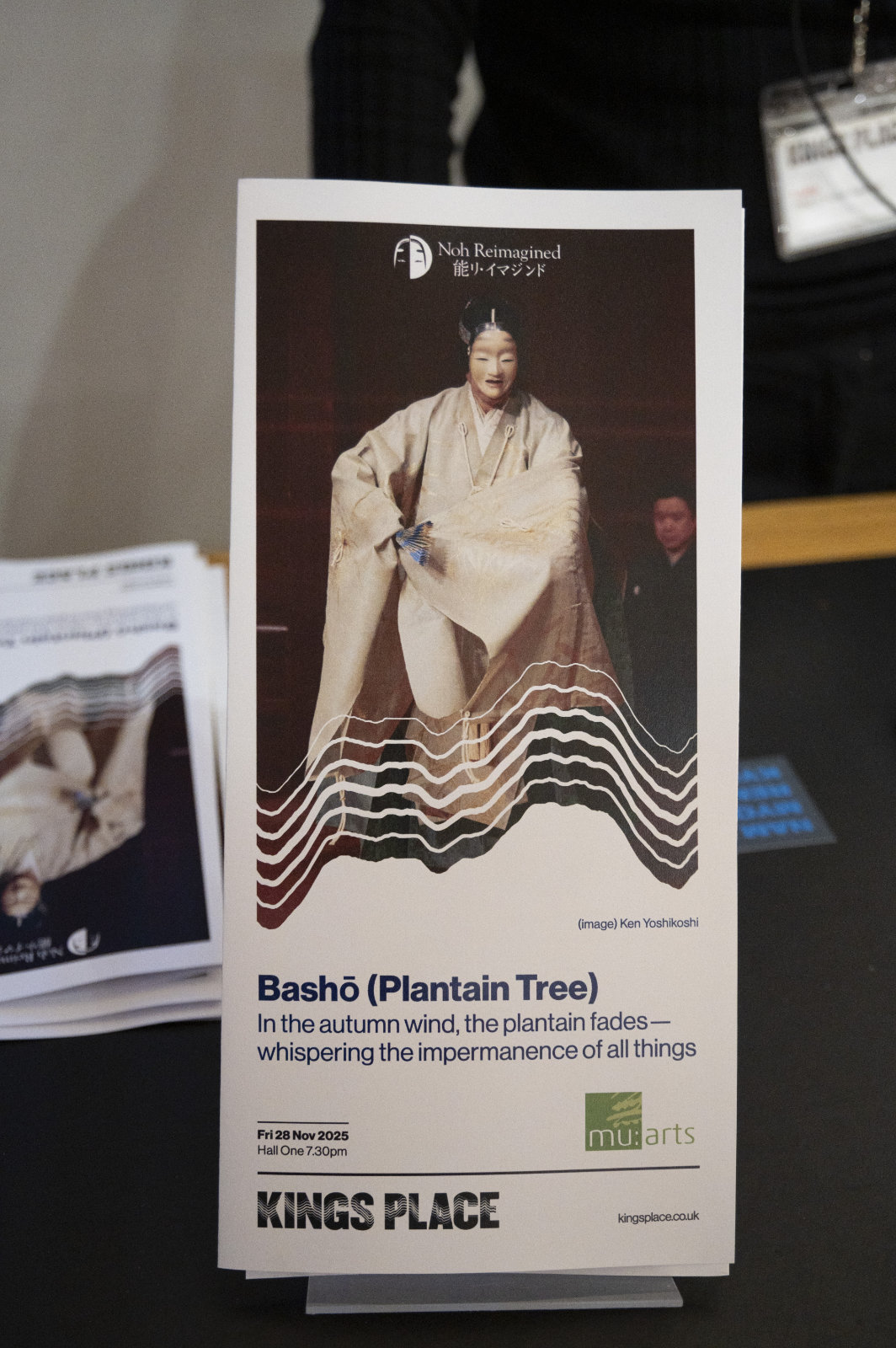
Bashō (Plantain Tree)

21st February 2026

In the autumn wind, the plantain fades – whispering the impermanence of all things

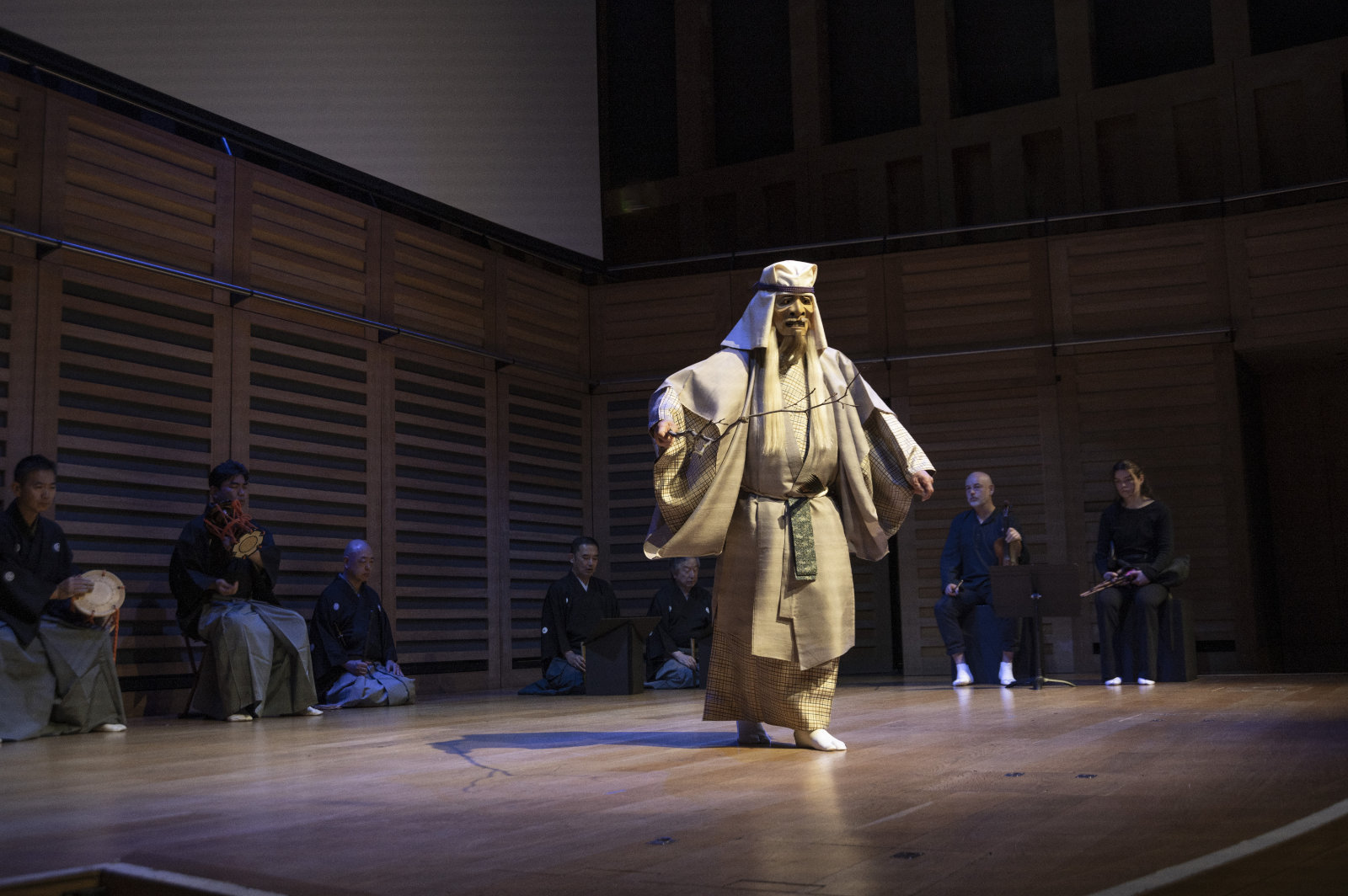
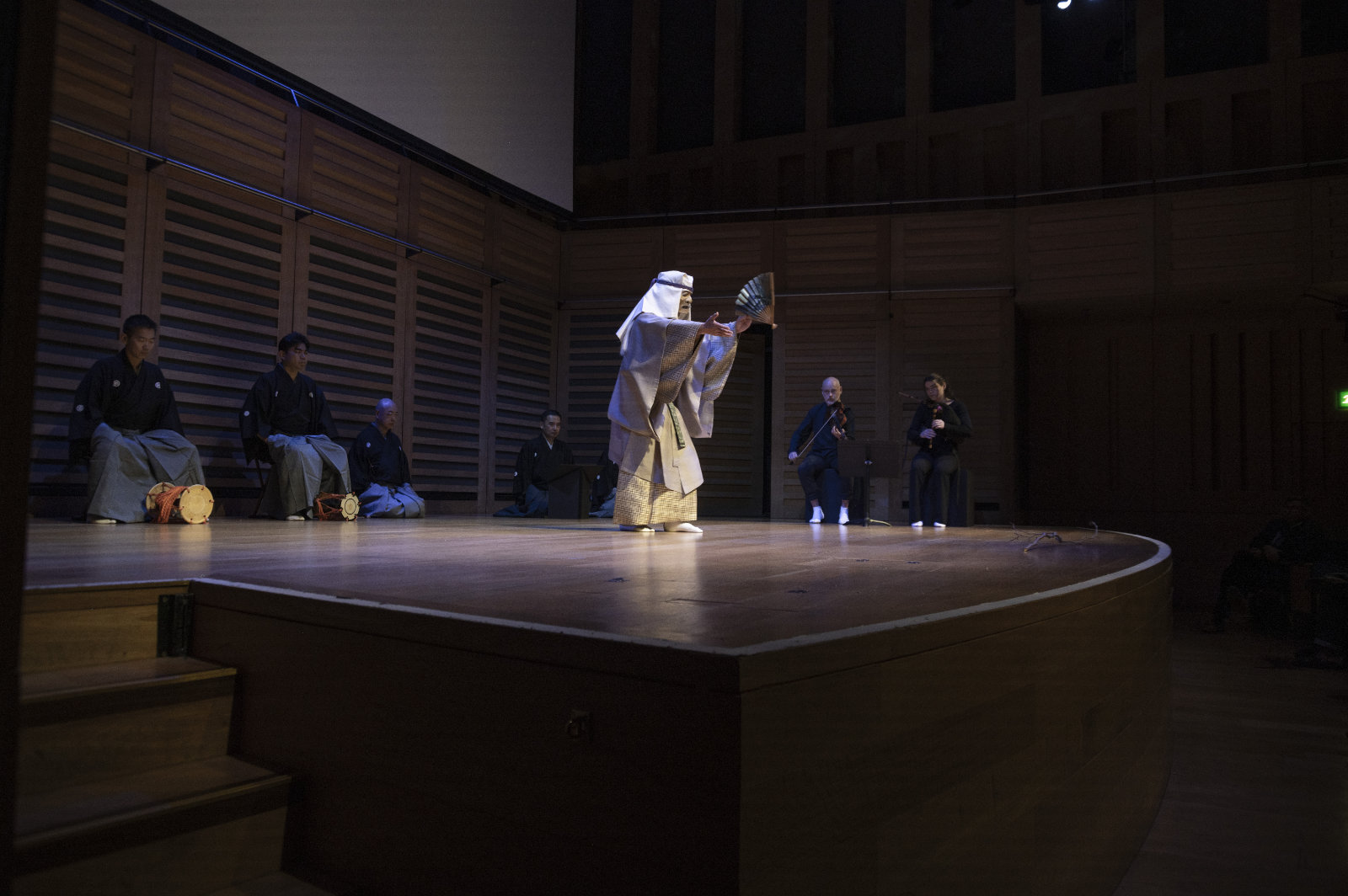
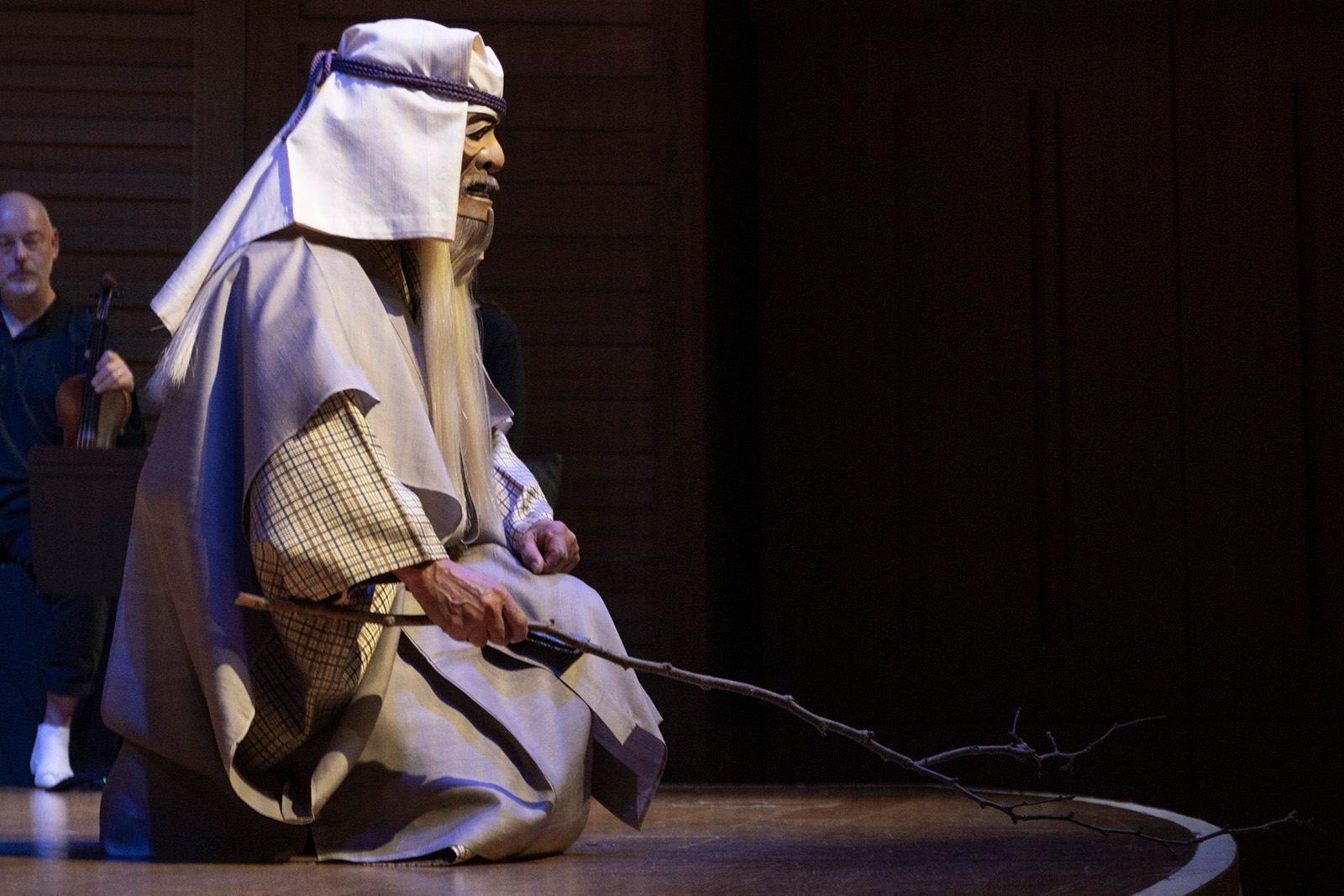
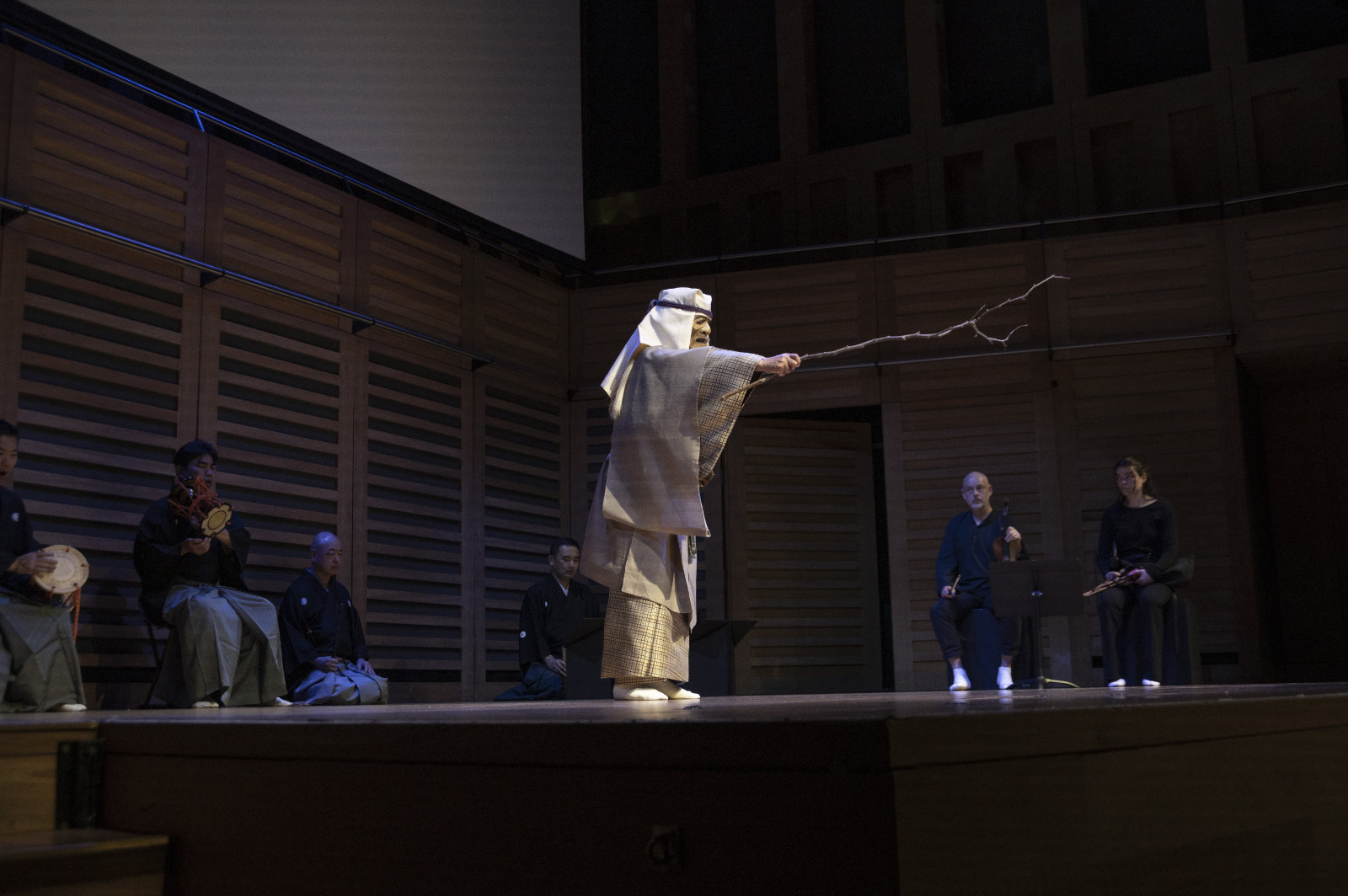
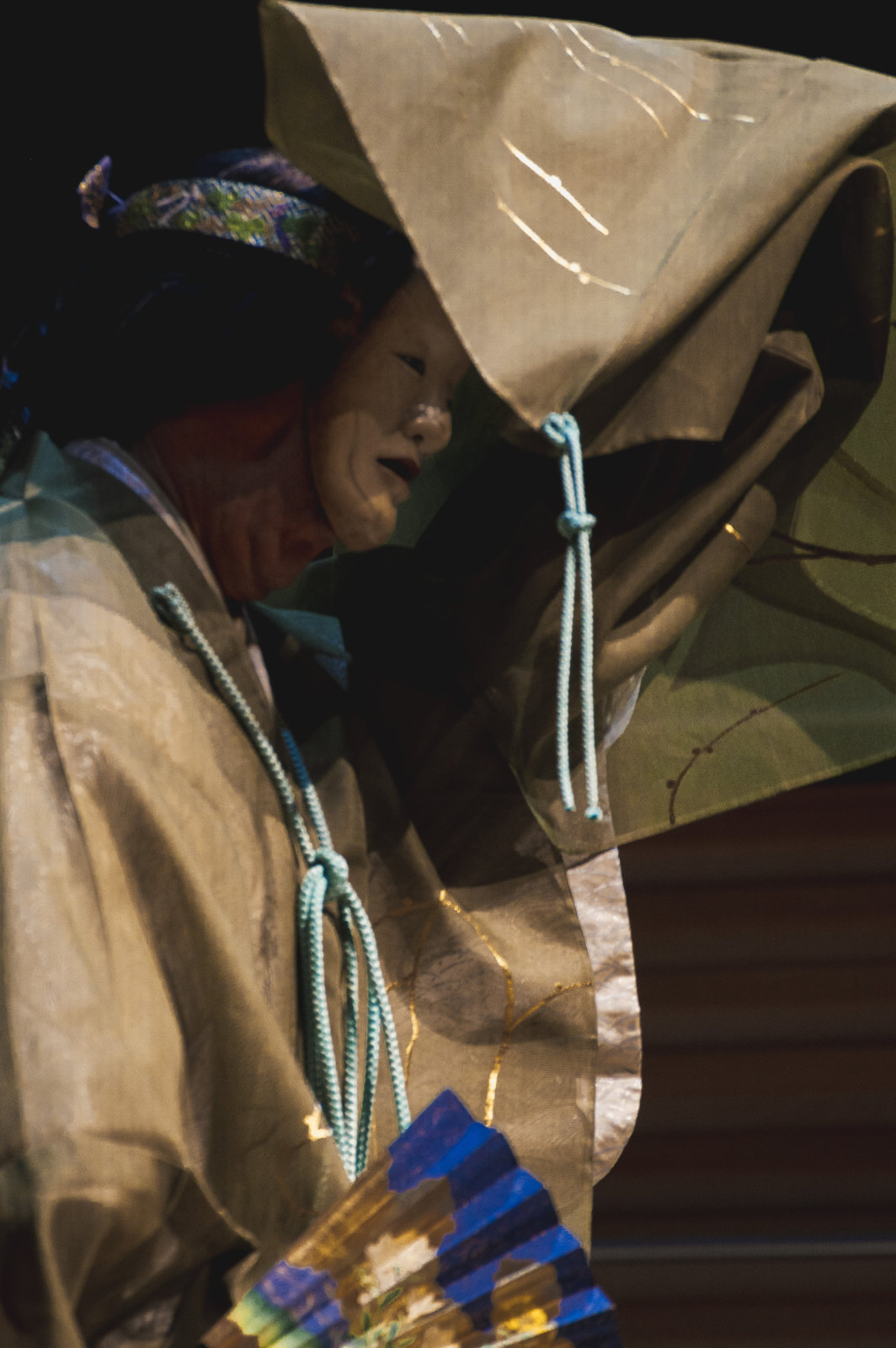
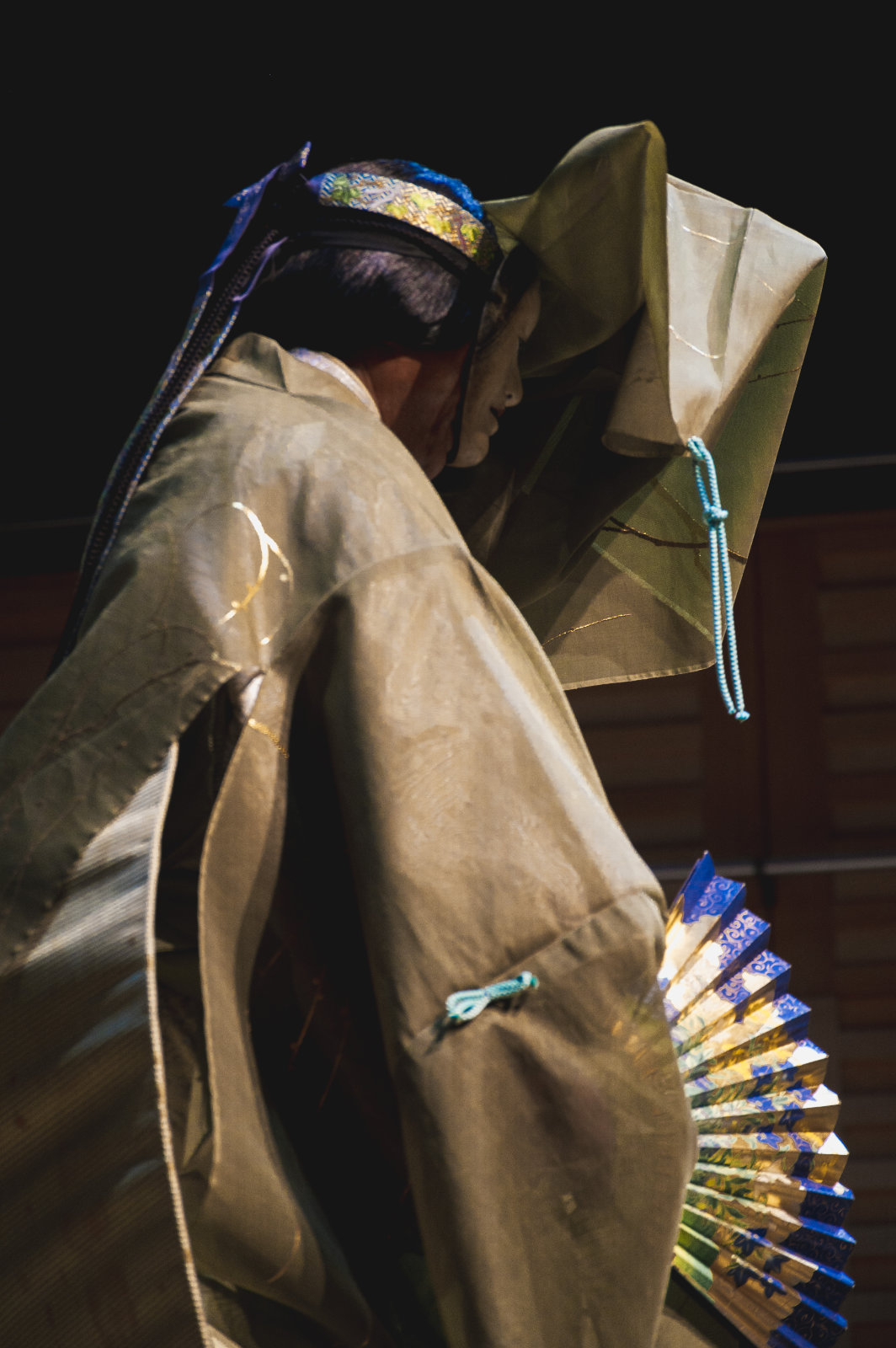
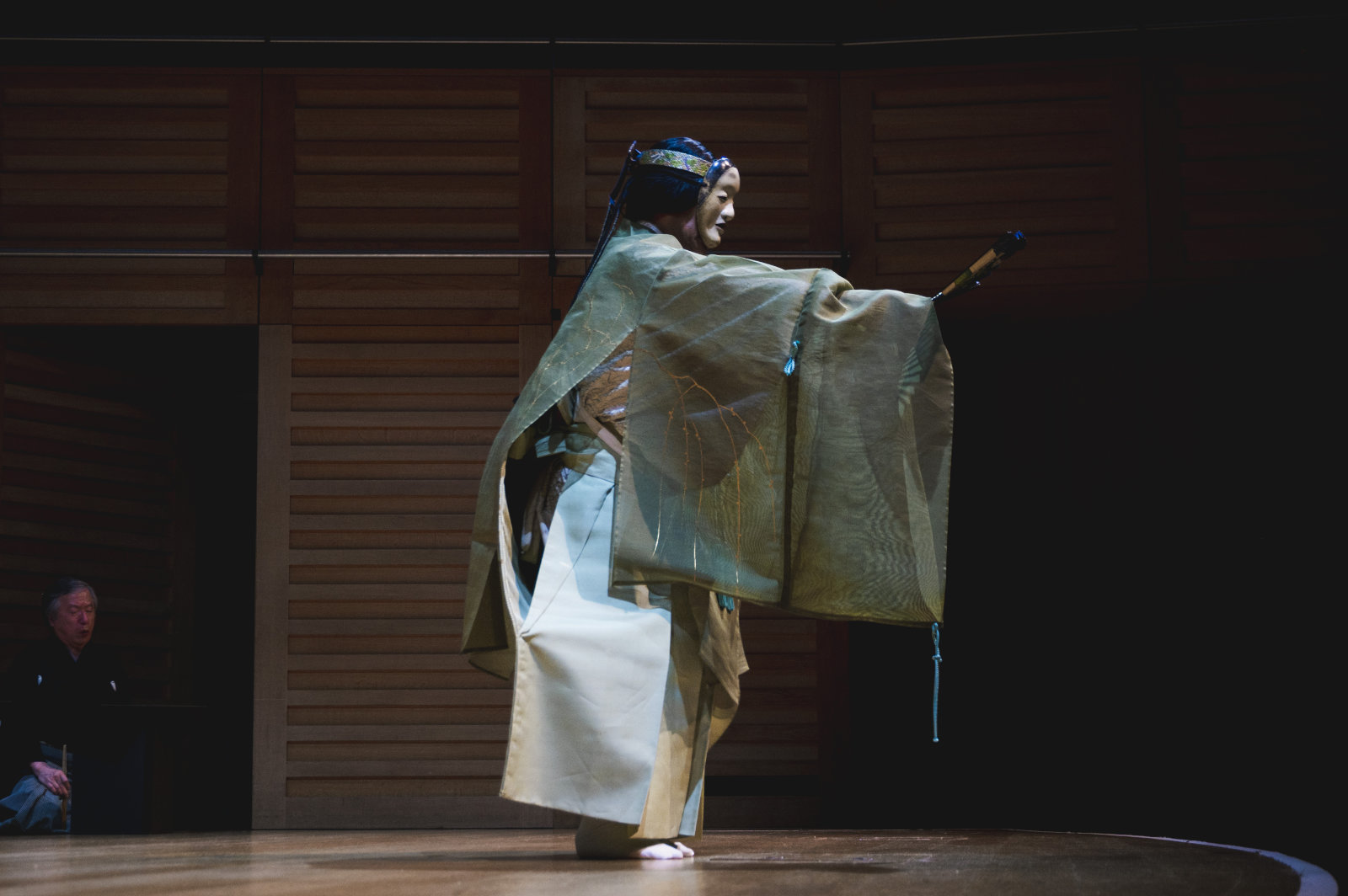
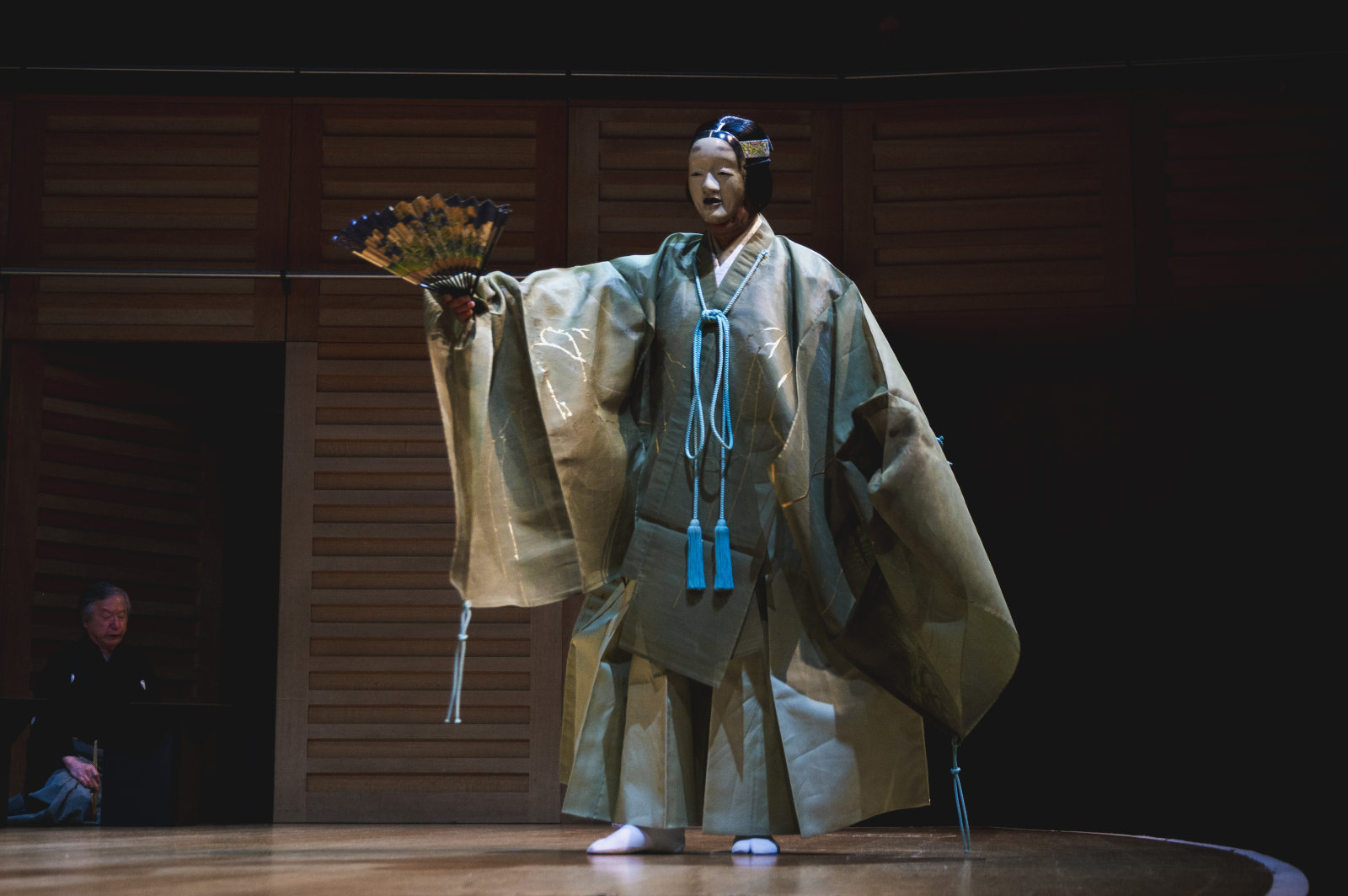
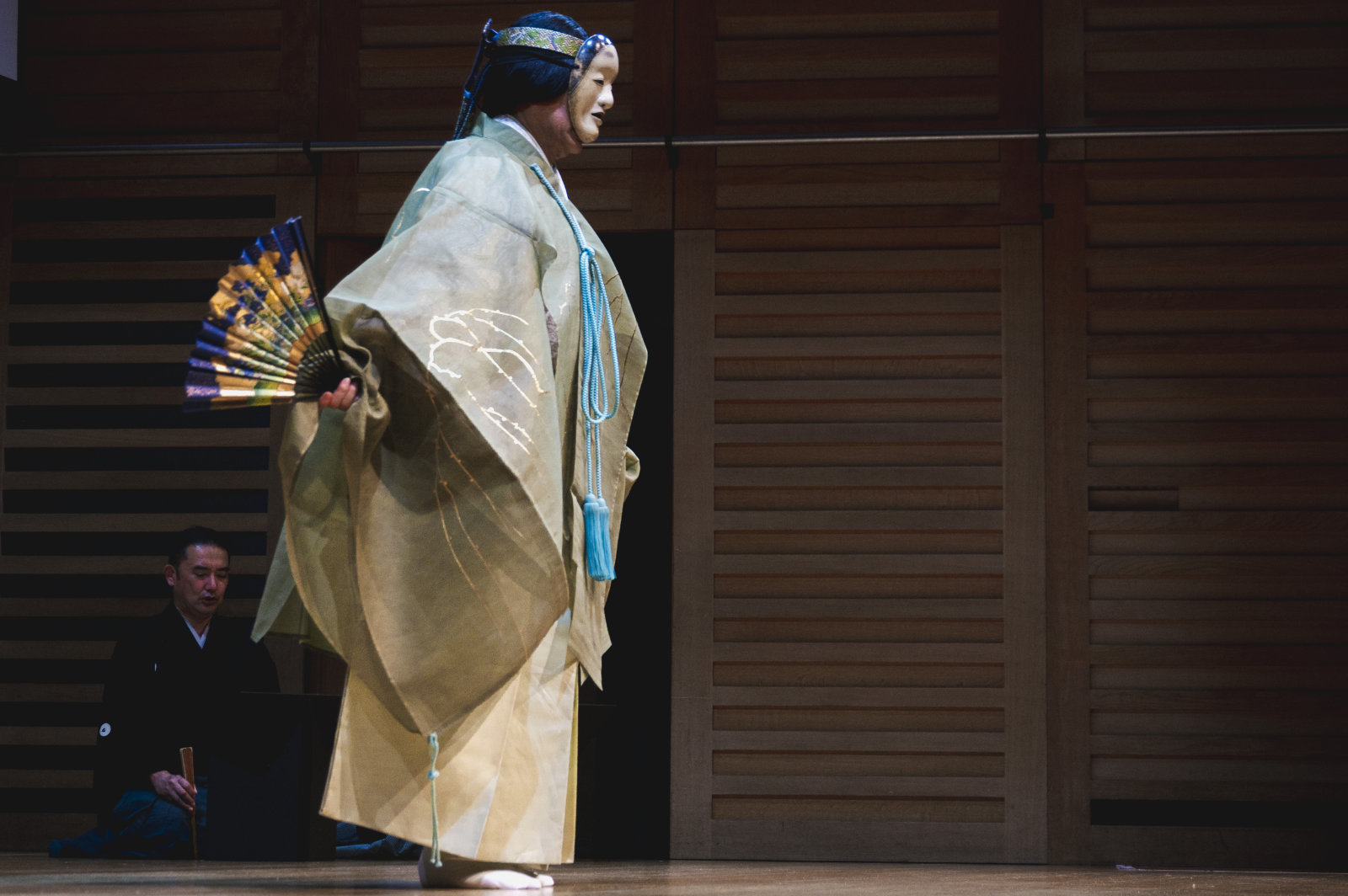
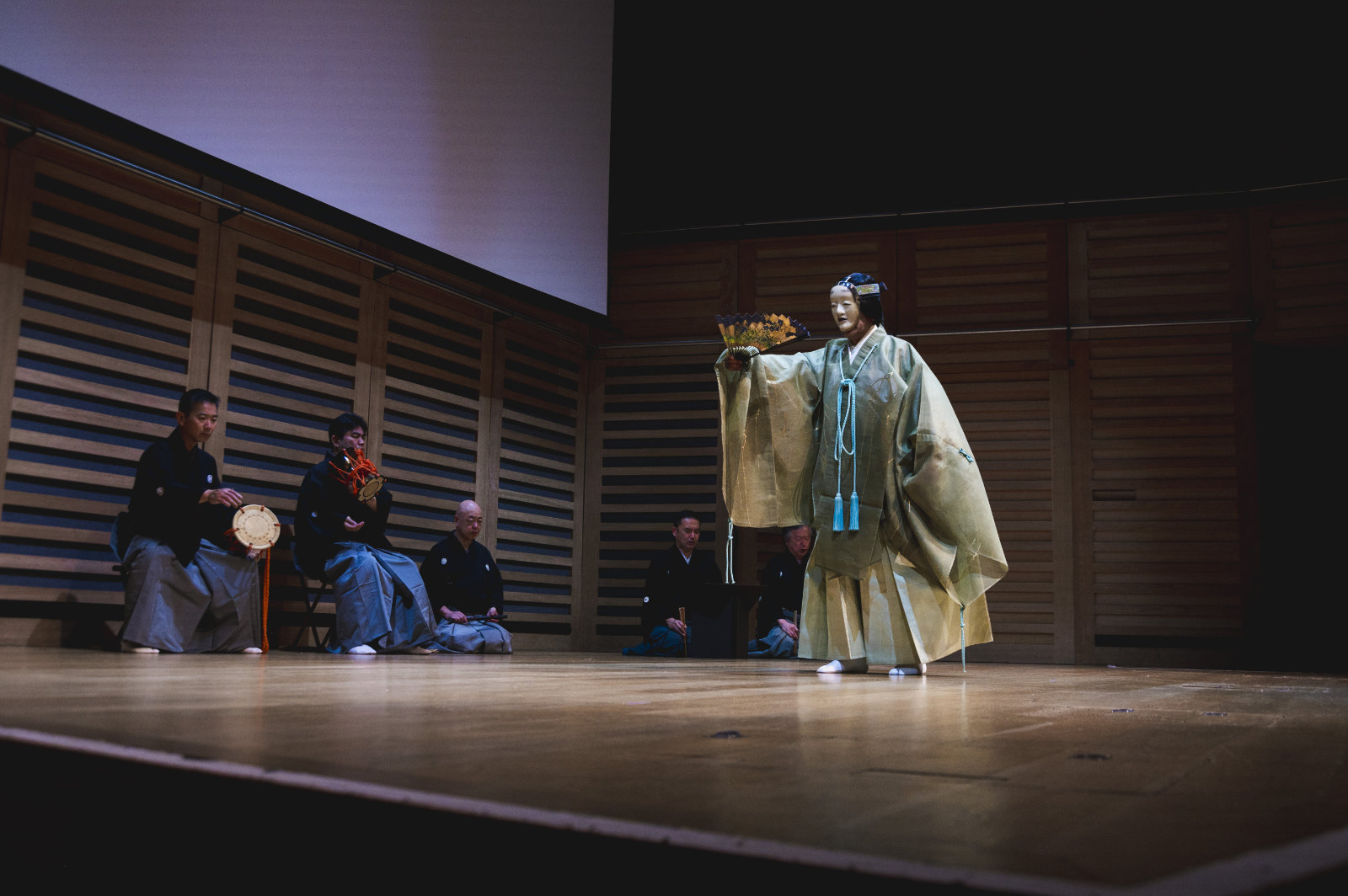
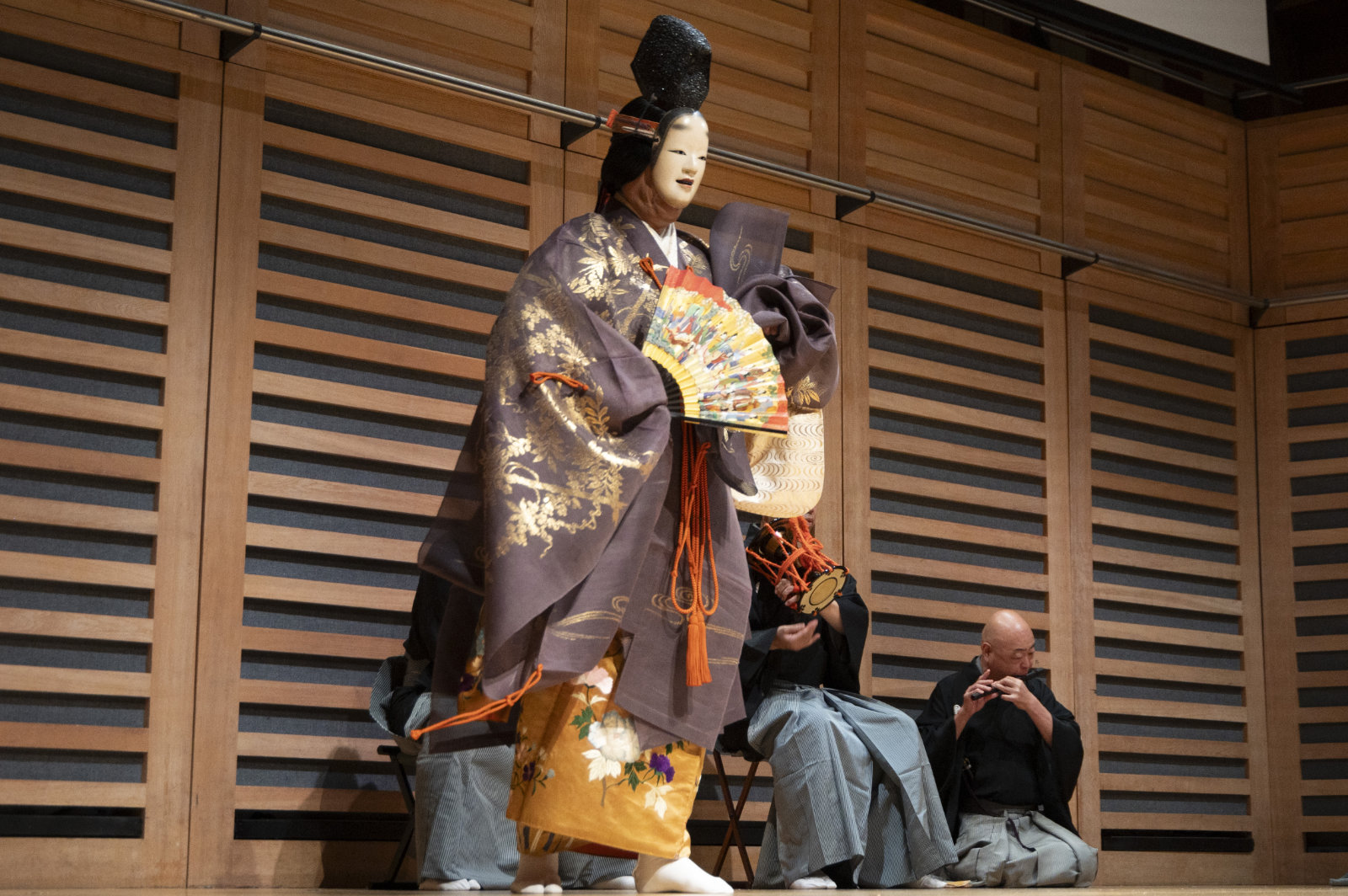
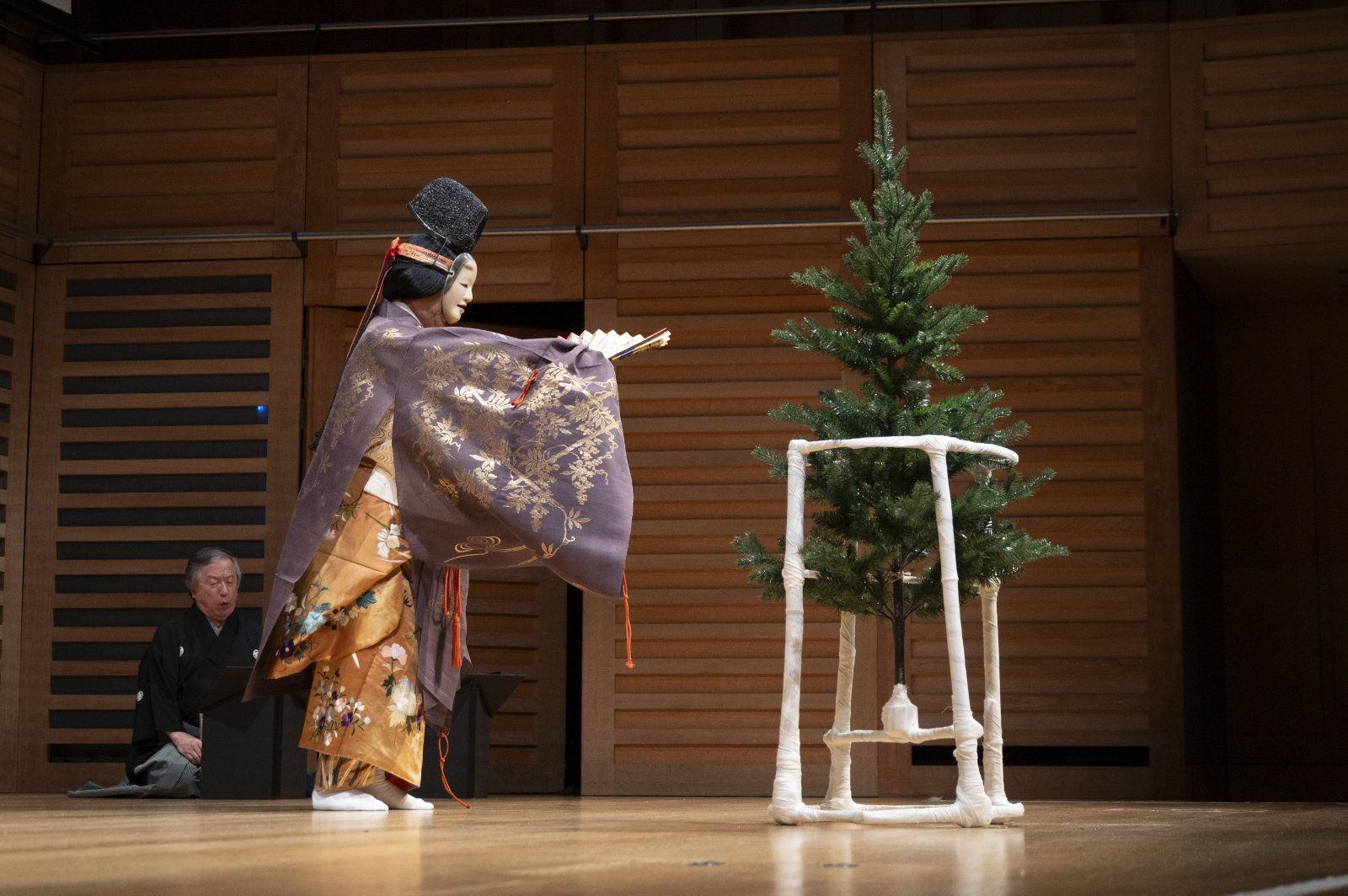
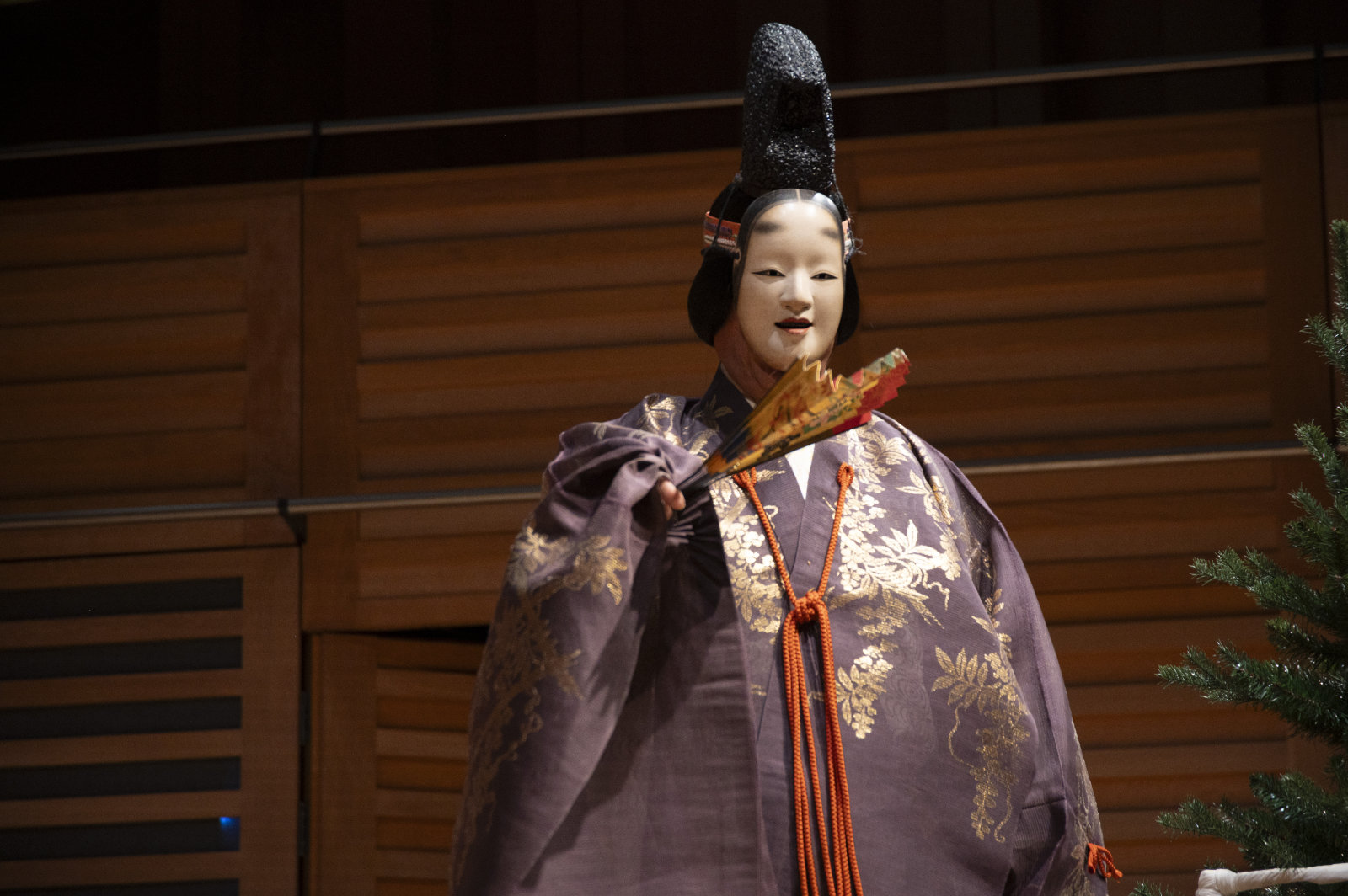
‘Bashō’ (Plantain Tree) by Konparu Zenchiku (1405-1470), is a mesmerising tale in which the spirit of a banana plant, appearing as a middle-aged woman, embodies the Lotus Sutra’s teaching that plants too, can attain enlightenment, reflecting a vision of the harmony and equality of humans and the natural world. ‘Bashō, was performed for the first time outside Japan in history as part of Noh Reimagined 2025.

In the mountains of ancient China, a monk lives quietly in a small hut. Lately, he has felt the strange presence of someone nearby. One day, a woman appears. She says she has come to form a spiritual connection and follows the teaching of the Lotus Sutra, which says that even plants and trees can reach enlightenment. The monk tells her that the beauty of flowers is a form of the Buddha’s truth. The woman is happy to hear this and hints that she is not human before disappearing.

Later that night, she returns. This time, she reveals that she is the spirit of a plantain leaf.

She says she is thankful to be touched by the Buddha’s compassion, and that all things – soil, plants, and people – are true just as they are. Unlike flowers that bloom brightly in spring and autumn, she has lived a quiet life in the shadows. Under the moonlight, lost in thought, she begins to dance slowly. As the wind blows through the garden, the flowers fade away, and only a torn plantain leaf remains.

Photo Credit: Sumire Tamura

This performance includes a reimagined English interlude by a British storyteller Laura Sampson, based on the original ai-kyogen interlude. She weaves together two enigmatic classical tales: ‘The Plantain Tree in Snow’, where the impossible flourishes in winter’s stillness, and ‘The Dream of the Plantain and the Deer’, where memory, illusion, and nature gently blur.

This performance was adapted from the original, featuring the shite (main actor), jiutai (chorus), and ohayashi (musicians), in order to fit within an 80-minute performance.

Photo Credit: Sumire Tamura

Kanji Shimizu (Kanze School) – Shite
Takao Nishimura (Kanze School) – Jiutai (chorus)
Haruhiko Hasegawa (Kanze School) – Jiutai (chorus)
Satoshi Tsukitaku (Morita School) – Nohkan (Noh flute)
Naoya Toriyama (Kanze School) – Kotsuzumi (small hand drum)
Mitsuhiro Kakihara (Takayasu School) – Otsuzumi (large hand drum)
Laura Sampson – Ai kyogen Interlude Storytelling

About Kanji Shimizu (shite – main actor)

Kanji Shimizu (shite actor, Kanze School) is one of the most sought-after noh actors today.

Born in 1953, he started noh training after graduating Waseda University In 2019, performances of Holly Mother in Nagasaki written by a renowned scientist Tomio Tada and Jacob’s Well written by a renowned Austrian art historian Diethard Leopold, were held in three cities across Europe. Shimizu actively engages in interdisciplinary collaborations, including productions with contemporary theatre and dance, as well as joint performances with other traditional performing arts such as Okinawa’s Kumi Odori and China’s Kunqu. In 2024, he was awarded the prestigious Kanze Hisao Award for his outstanding contributions to the development of noh theatre tradition. Shimizu is designated as an Important Intangible Cultural Property by the Japanese government.

About Laura Sampson

Laura Sampson is a British-Trinidadian storyteller, writer and noh practitioner, based in London, UK. Recent projects include creating work for London’s Victoria & Albert Museums, National Trust, Lyric Hammersmith, Polka Theatre, and performing with leading UK storytelling organisations Crick Crack Club and Story Jam. She is the author of two-story collections, Enchanted Tales (2023) and Mythical Tales (2025), both published by Templar Books. Her unique storytelling style incorporates elements of noh, as in her latest solo show She’ll be Coming Round the Mountain (based on the noh Yamanba) and ongoing collaborations with Irish composer Anna Murray and the Quiet Music Ensemble, which combine Irish myth and noh chant.

Matsukaze (Pining Wind)

21st February 2026

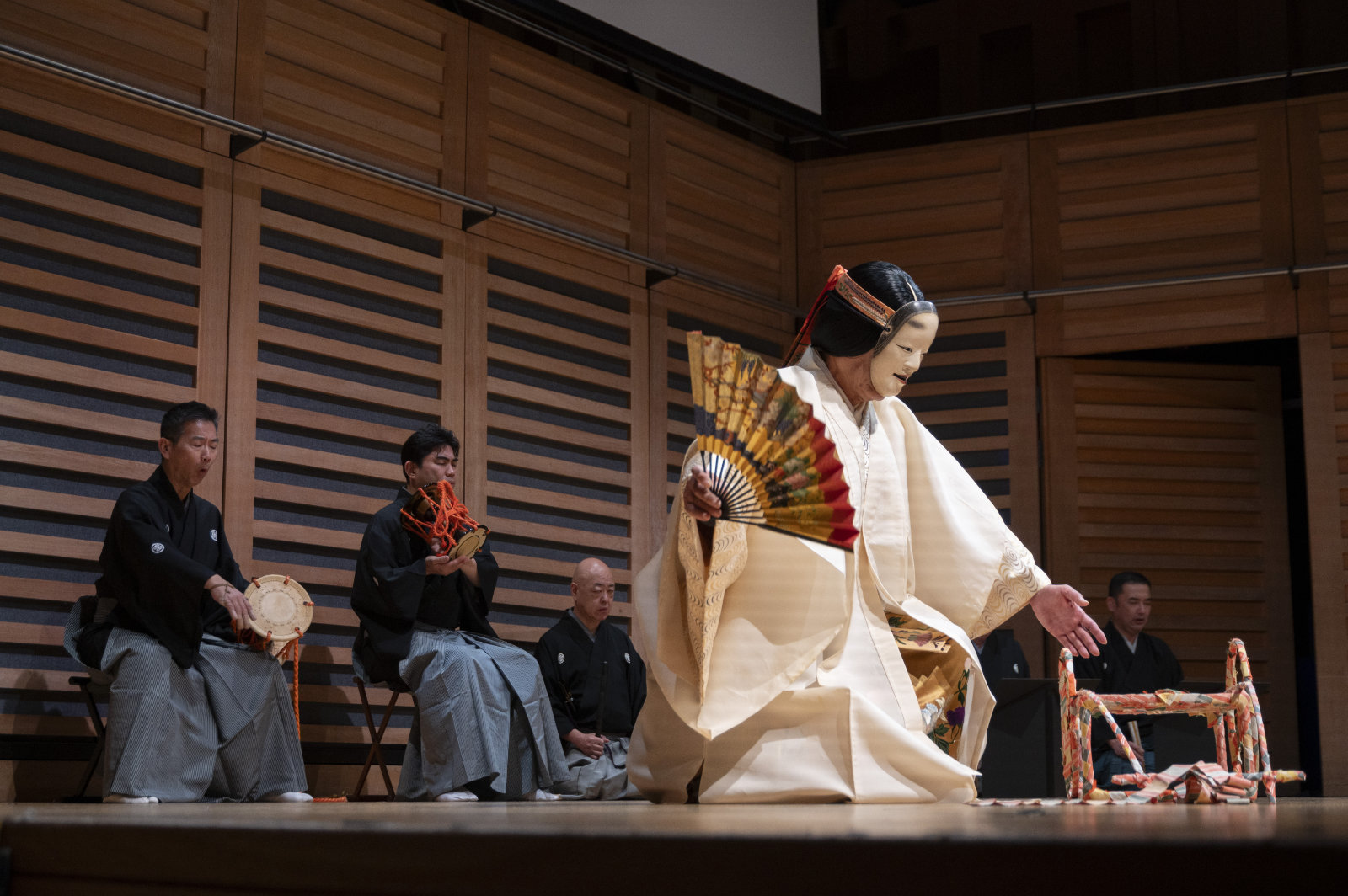
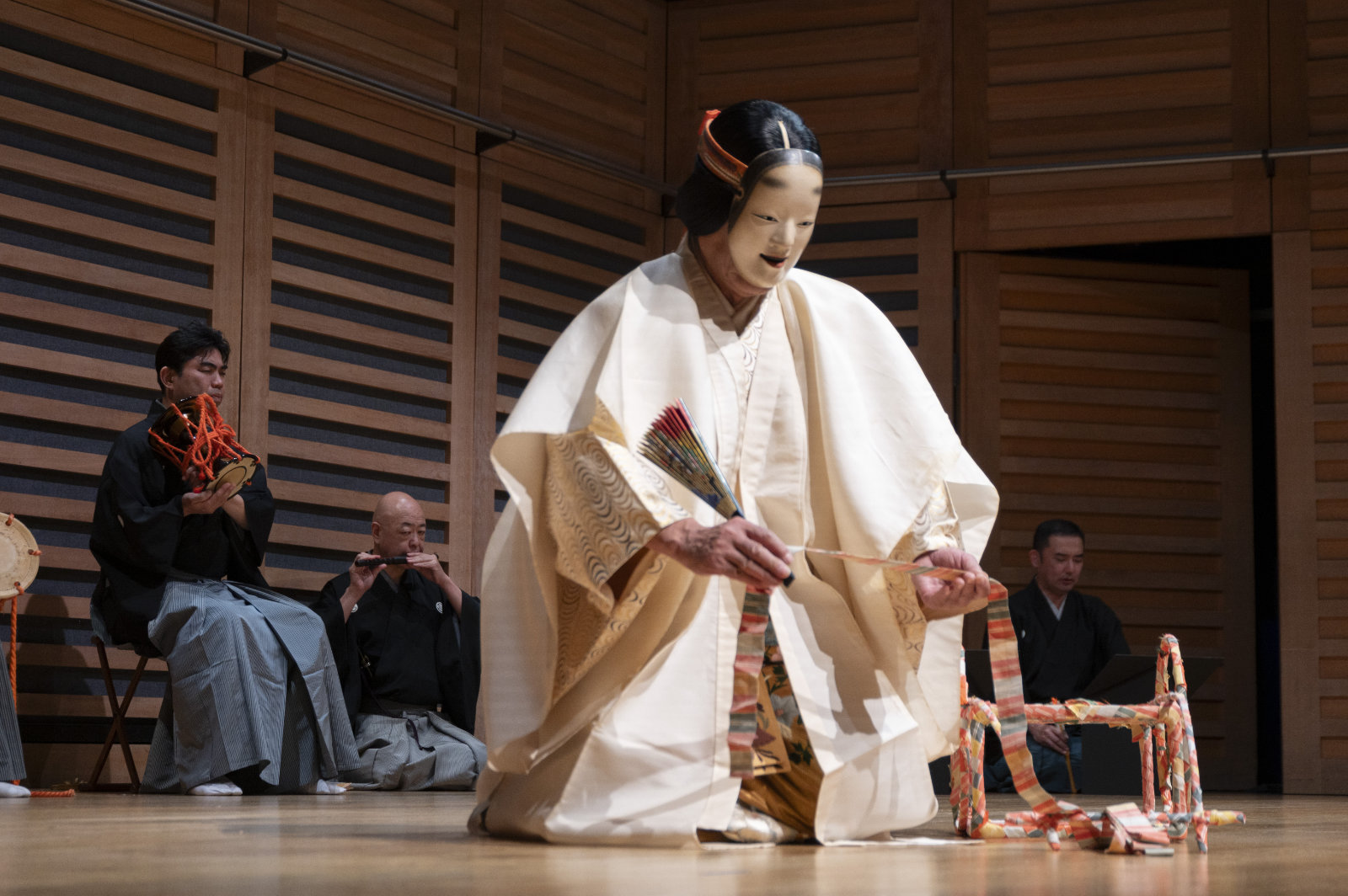
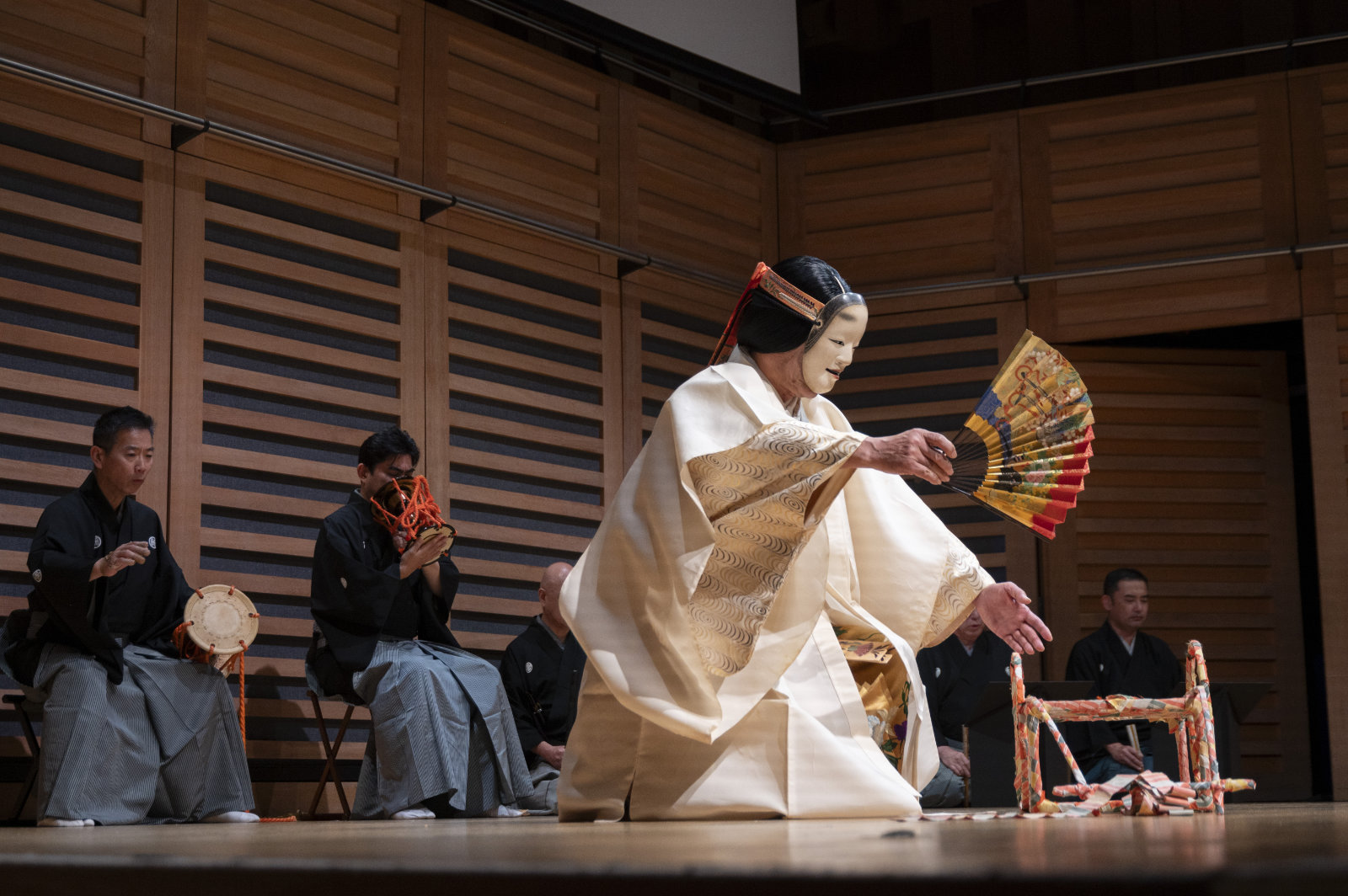
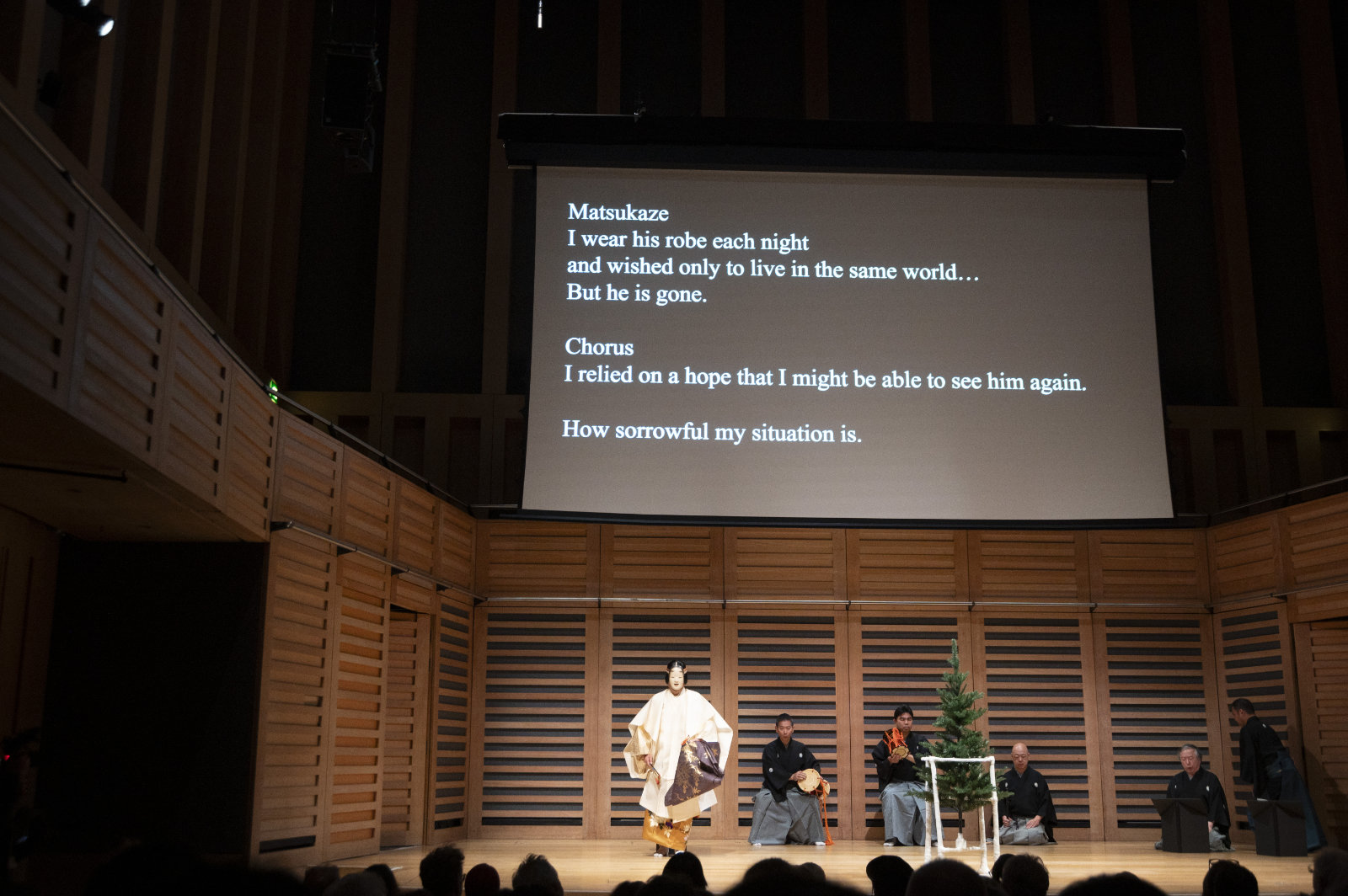
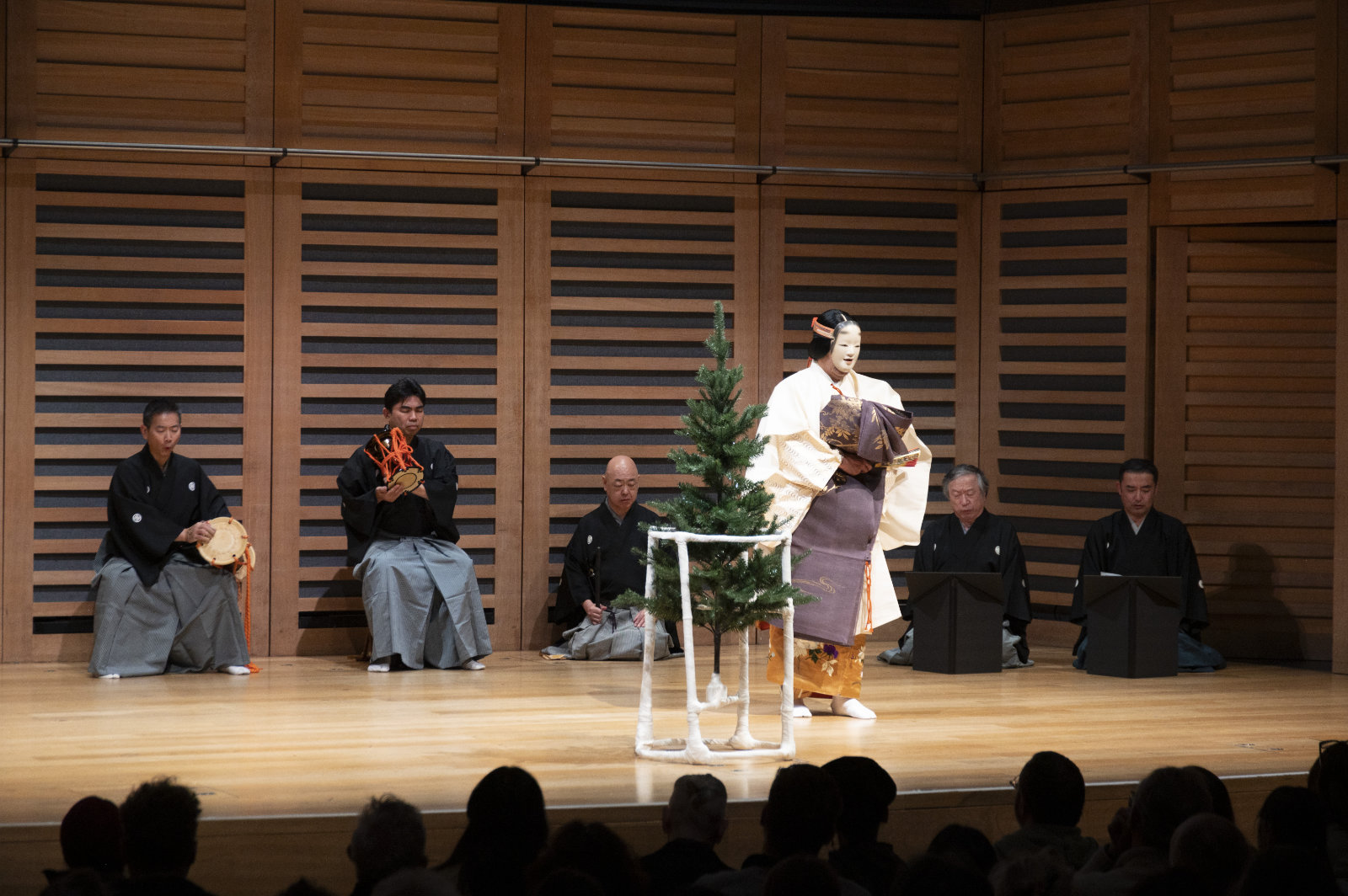
Matsukaze by Zeami Motokiyo (1363-c. 1443) is one of the most revered masterpieces of classical noh, and a work that Zeami himself held in special regard. Its haunting themes of ghostly love, memory, and seaside solitude that have inspired artists for centuries, echoing in opera, poetry, and painting in Japan and beyond.

Photo Credit: Sumire Tamura

One autumn evening, a travelling monk reaches the shores of Suma (modern-day Kobe) and notices a pine tree said to mark the graves of two sisters, Matsukaze and Murasame, former saltmakers. The monk offers prayers for their souls. That night, two beautiful women return from drawing seawater under the moonlight and offer the monk to stay for one night.

When the monk mentions the poet Ariwara no Yukihira, once exiled there, the women weep – revealing themselves as the sisters’ ghosts, who long ago loved Yukihira.

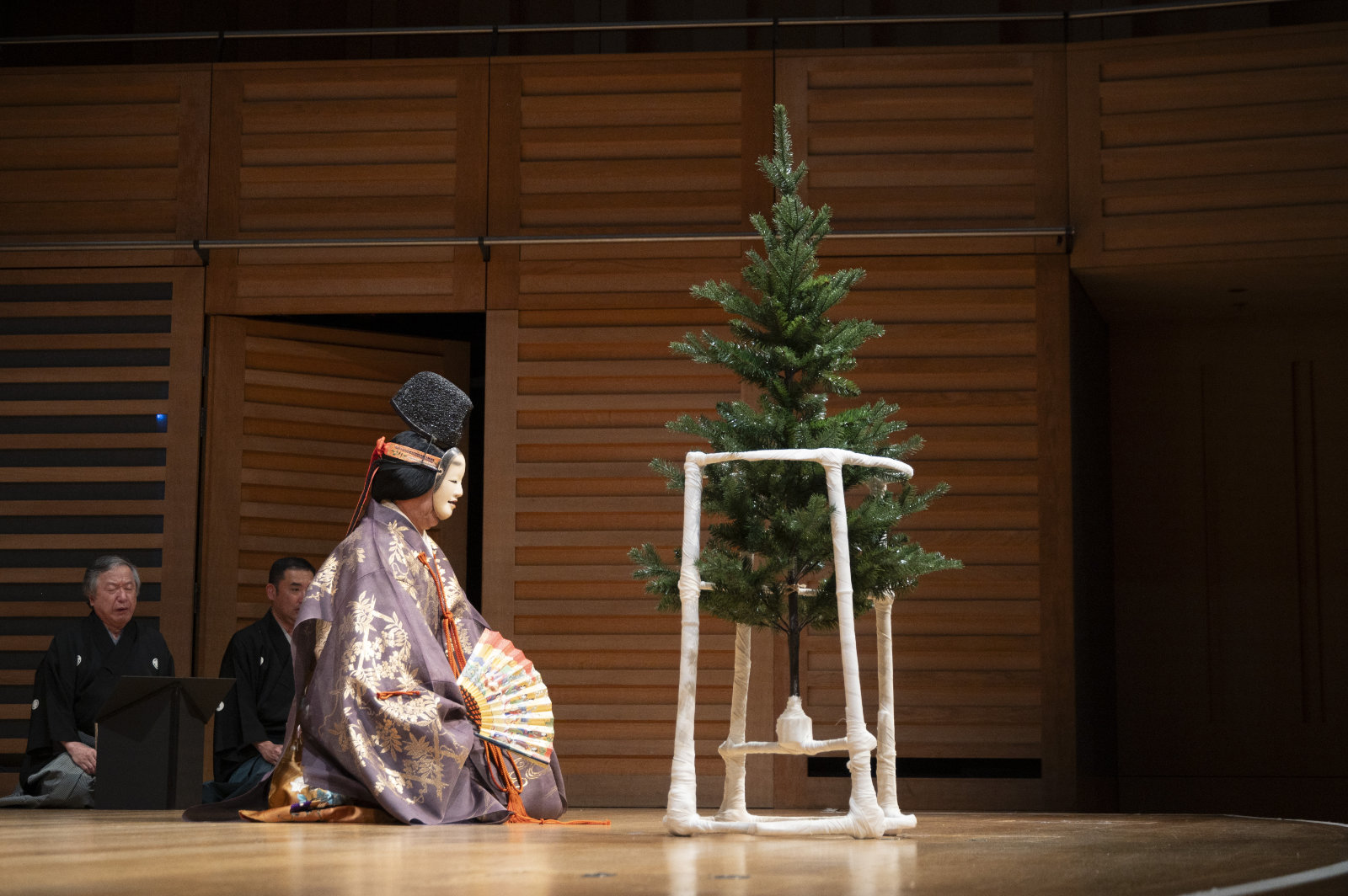
Overwhelmed with emotion, Matsukaze dons Yukihira’s cloak and cap. Mistaking the pine tree for her beloved, she clings to it and dances in a frenzy of remembrance, until dawn breaks. The sisters vanish like mist, leaving only the sound of wind in the pines.

Noh Reimagined 2025 (Barcelona and London) presented Matsukaze outside Japan for the first time since its staging in Paris in 1969.

Kanji Shimizu (Kanze School) – Shite (main actor)
Takao Nishimura (Kanze School) – Jiutai (chorus)
Haruhiko Hasegawa (Kanze School) – Jiutai (chorus)
Satoshi Tsukitaku (Morita School) – Nohkan (flute)
Naoya Toriyama (Kanze School) – Kotsuzumi (small hand drum)
Mitsuhiro Kakihara (Takayasu School) – Otsuzumi (large hand drum)

Pre-Performance Talk – Bashō: The Botanical Mind

21st February 2026

Gina Buenfeld-Murley, curator of the exhibition ‘The Botanical Mind’ at Camden Art Centre, joined Dr Christopher Harding, arts historian, to discuss the noh play ‘Bashō’ (Plantain Tree) by Konparu Zenchiku (1405-1470), ahead of its historic first-ever performance outside Japan.

At the heart of ‘Bashō’ lies the Buddhist teaching (somoku jobutsu): “All plants enact Buddhahood.” This idea, based on the Lotus Sutra, suggests that everything – from plants and trees to the earth itself – shares the ability for enlightenment.

In reference to the exhibition, ‘The Botanical Mind’, Gina Buenfeld-Murley and Christopher Harding invited audiences to step into the spiritual essence of ‘Bashō’, while reflecting on plant intelligence, sacred geometry, and non-anthropocentric perspectives across cultures and history.

About Gina Buenfeld-Murley

Gina Buenfeld-Murley is a curator engaged in the intersection of contemporary art, ecology, spirituality, and indigenous worldviews. In her ongoing work as Exhibitions Curator at Camden Art Centre she has curated solo shows with numerous artists including Jack O’Brien; Lonnie Holley; Tamara Henderson. She recently co-curated a major Nicola L. survey and has organised exhibitions on important twentieth-century artists including Martin Wong and Grace Pailthorpe & Reuben Mednikoff. Her research with indigenous communities in the Amazon rainforest led to a series of thematic exhibitions between 2019 – 2020 including:

The Botanical Mind: Art, Mysticism and The Cosmic Tree (Camden Art Centre); Gaa:

Holistic Science and Wisdom Tradition (Newlyn Art Gallery and The Exchange, Cornwall); and Origin Story (The Wäinö Aaltonen Museum of Art, Turku, Finland).

About Christopher Harding

Christopher Harding is Senior Lecturer in Asian History at the University of Edinburgh. His latest book is A Short History of Japan (Pelican, 2025). He is on Substack and Instagram:

History with Chris Harding. He has also worked in broadcast journalism for BBC Radio 3 and 4, including a four-part series on global cultures and mental health, The Borders of Sanity. He writes for a broad range of publications.

Workshop: Discover the World of Matsukaze

21st February 2026

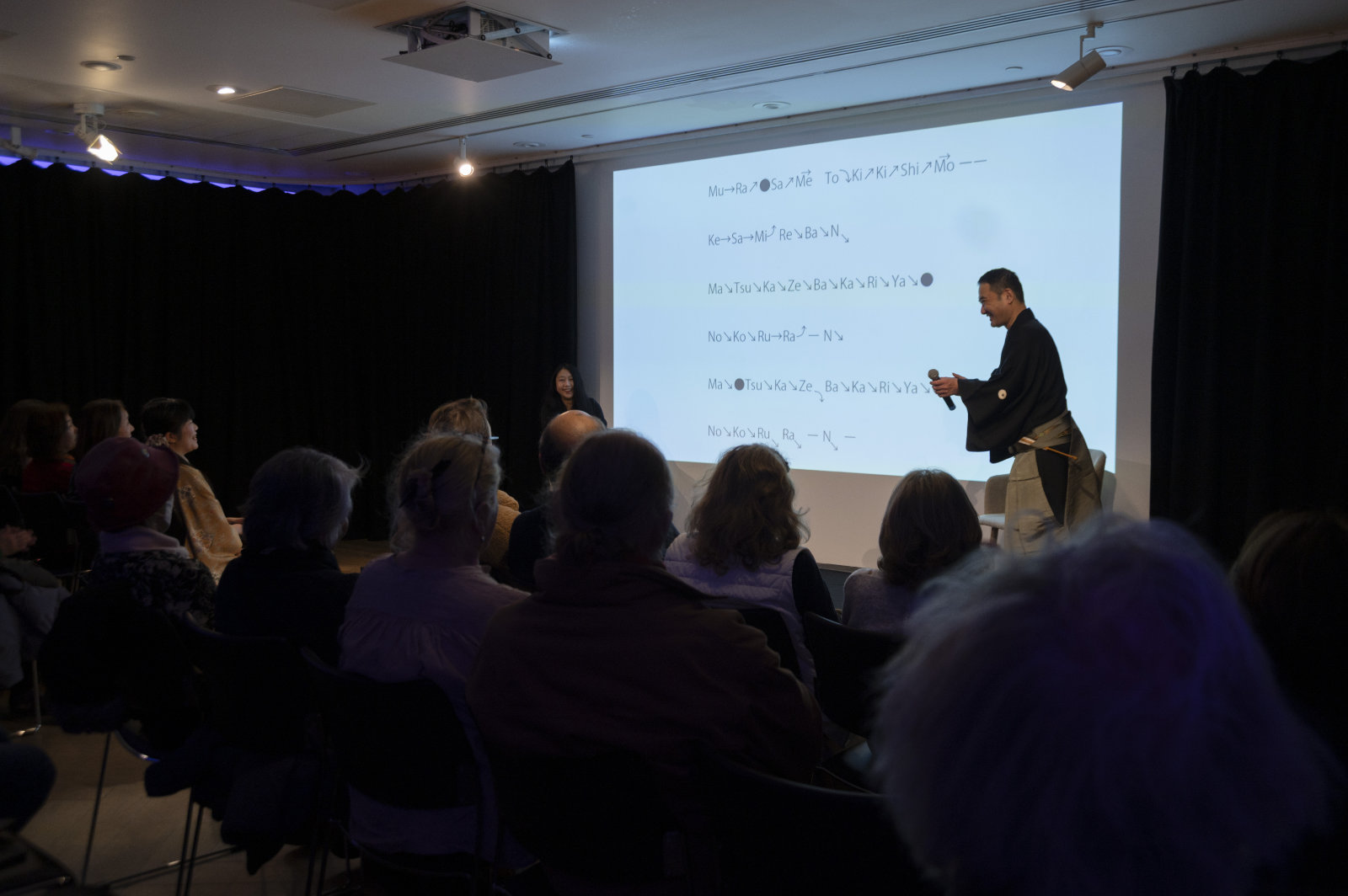
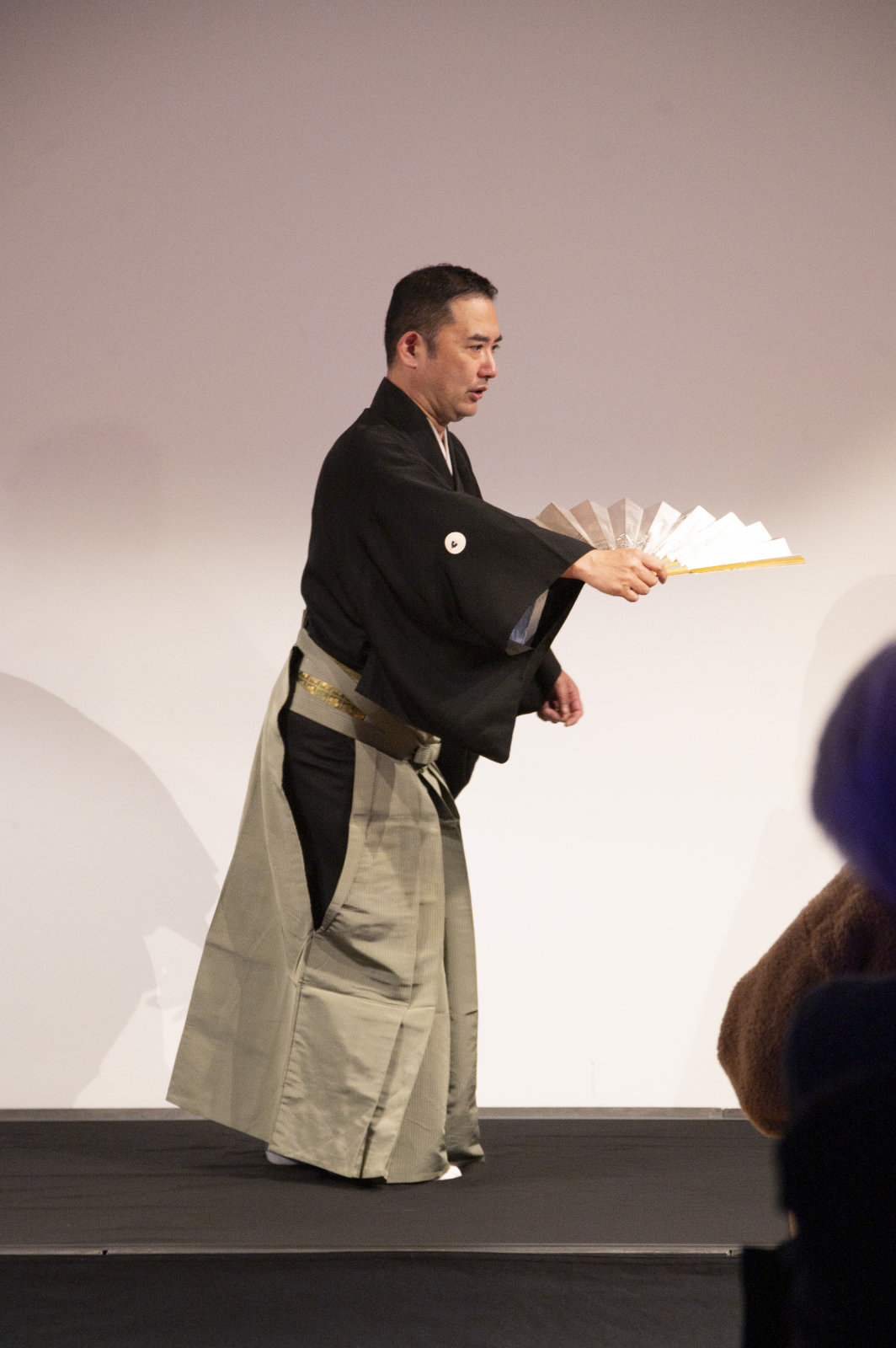
This was a hands-on workshop exploring the timeless masterpiece ‘Matsukaze’, uncovering the hidden meanings layered poetic language and emotional depth in one of noh’s most beloved works.

Photo Credit: Sumire Tamura

Guided by Haruhiko Hasegawa (shite actor of Kanze School) and moderated/interpreted by Ikuko Inoguchi (pianist and music scholar), audiences were invited to experience the utai chanting from the highlight of ‘Matsukaze’.

Haruhiko Hasegawa (Kanze School) – Workshop leader
Dr Ikuko Inoguchi – Moderator/ interpreter

Footer

Noh Reimagined is a series of projects and festivals reviving traditional Japanese Noh Theatre for today! Discover 650 years of Noh's rich history through classical masterpieces and innovative contemporary works from diverse creators.

Twitter/X @muartsLIVE
Facebook mu:arts Live

mu:arts logo
mu:arts logo

Website by Corner Mindscape - Copyright © 2016–2026 mu:arts